The world's largest intact volcanic caldera. 260km² of ancient ecosystem. 25,000 animals inside walls of stone. All Big Five — possible in a single day.
Two and a half million years ago, a volcano the size of Kilimanjaro collapsed inward. What remained is the Ngorongoro Crater — the world's largest intact caldera and one of the most extraordinary concentrations of wildlife on the planet.
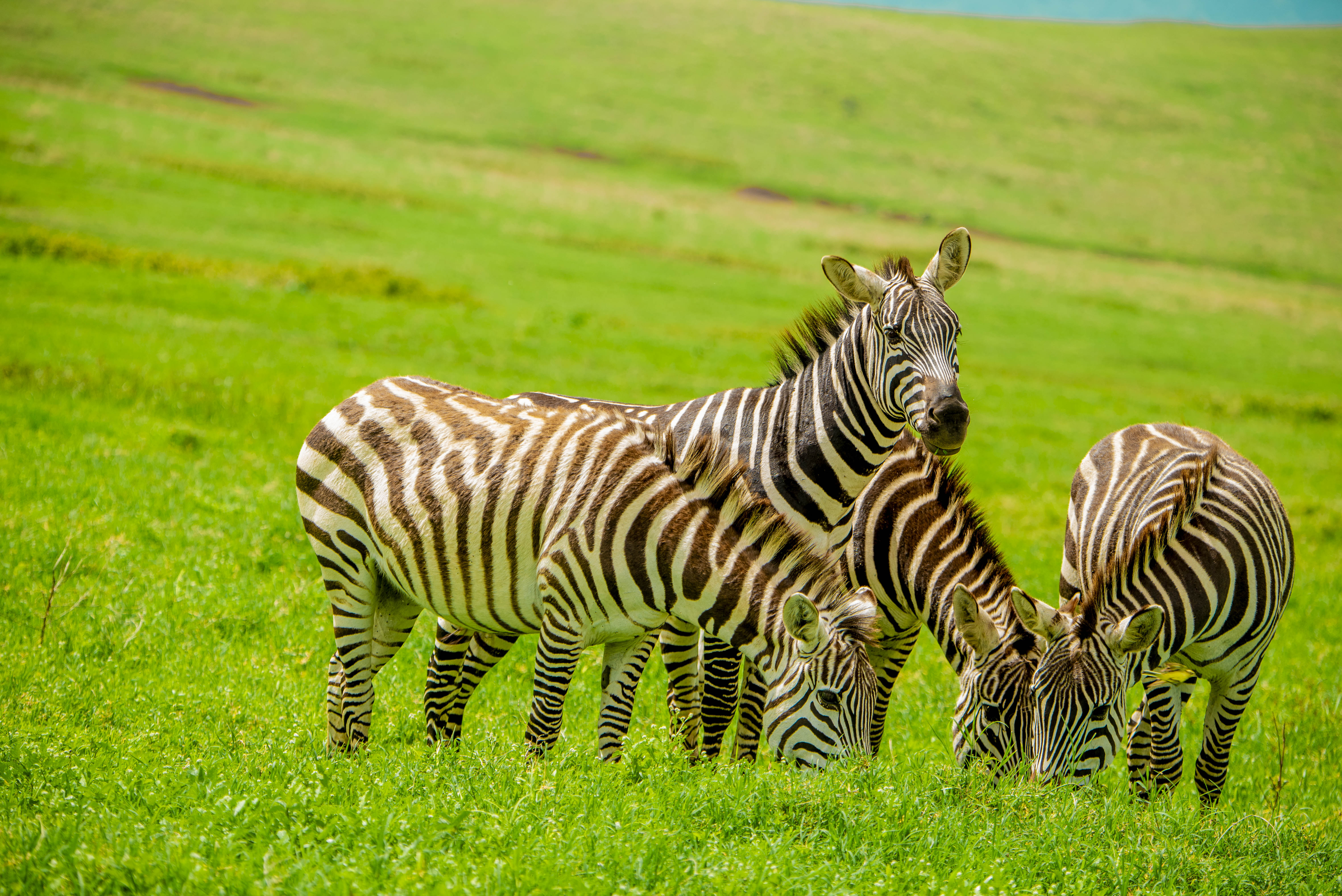
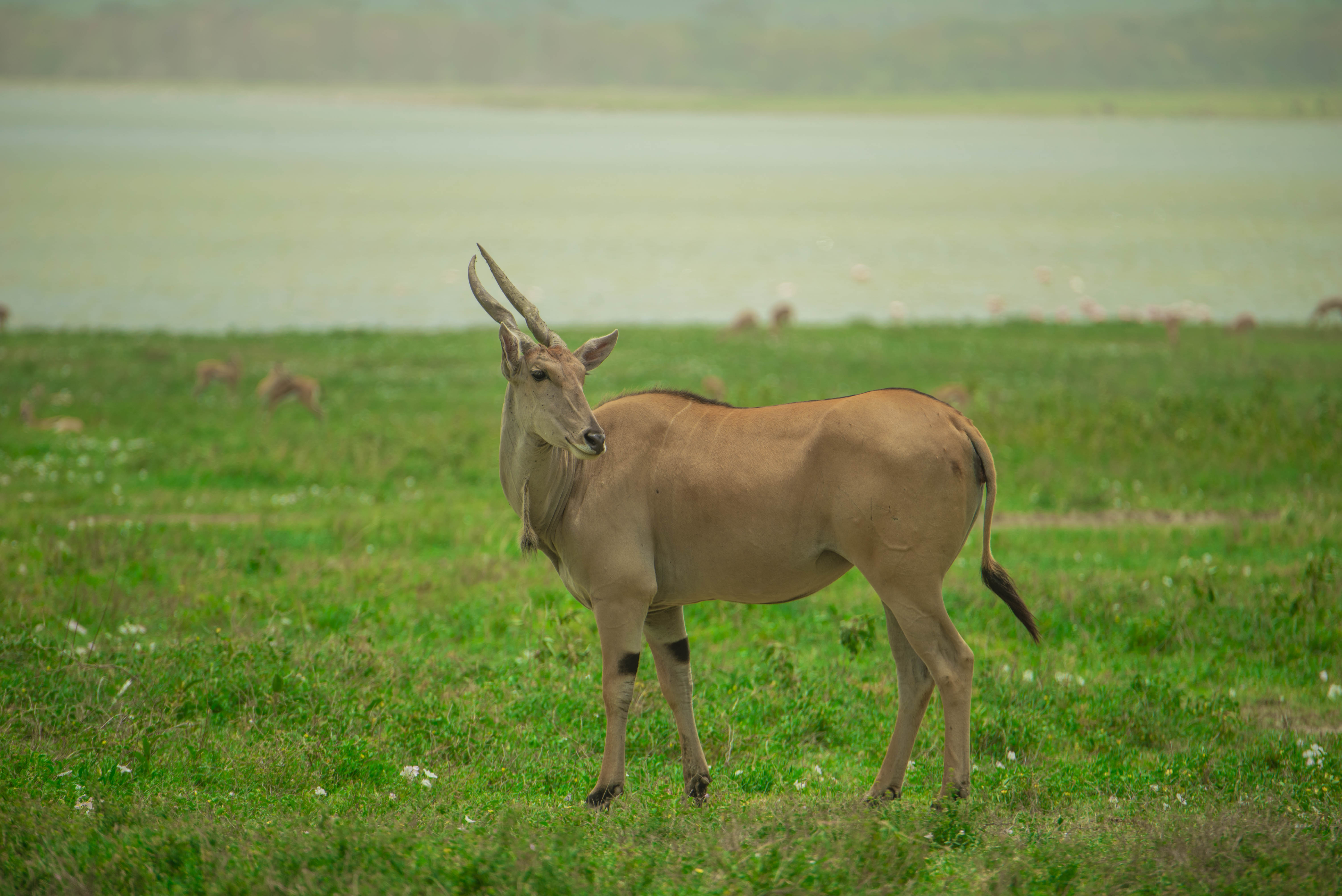
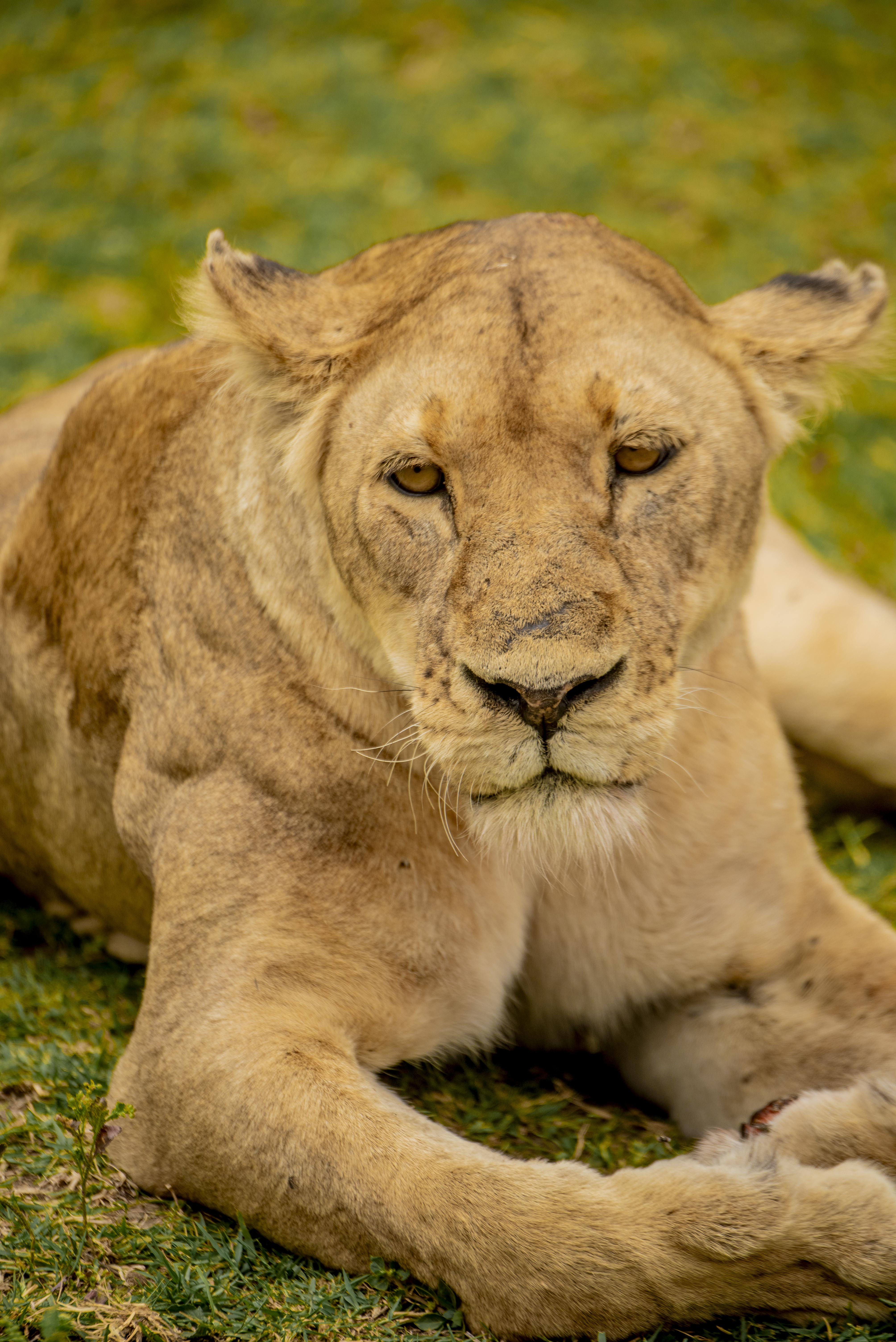
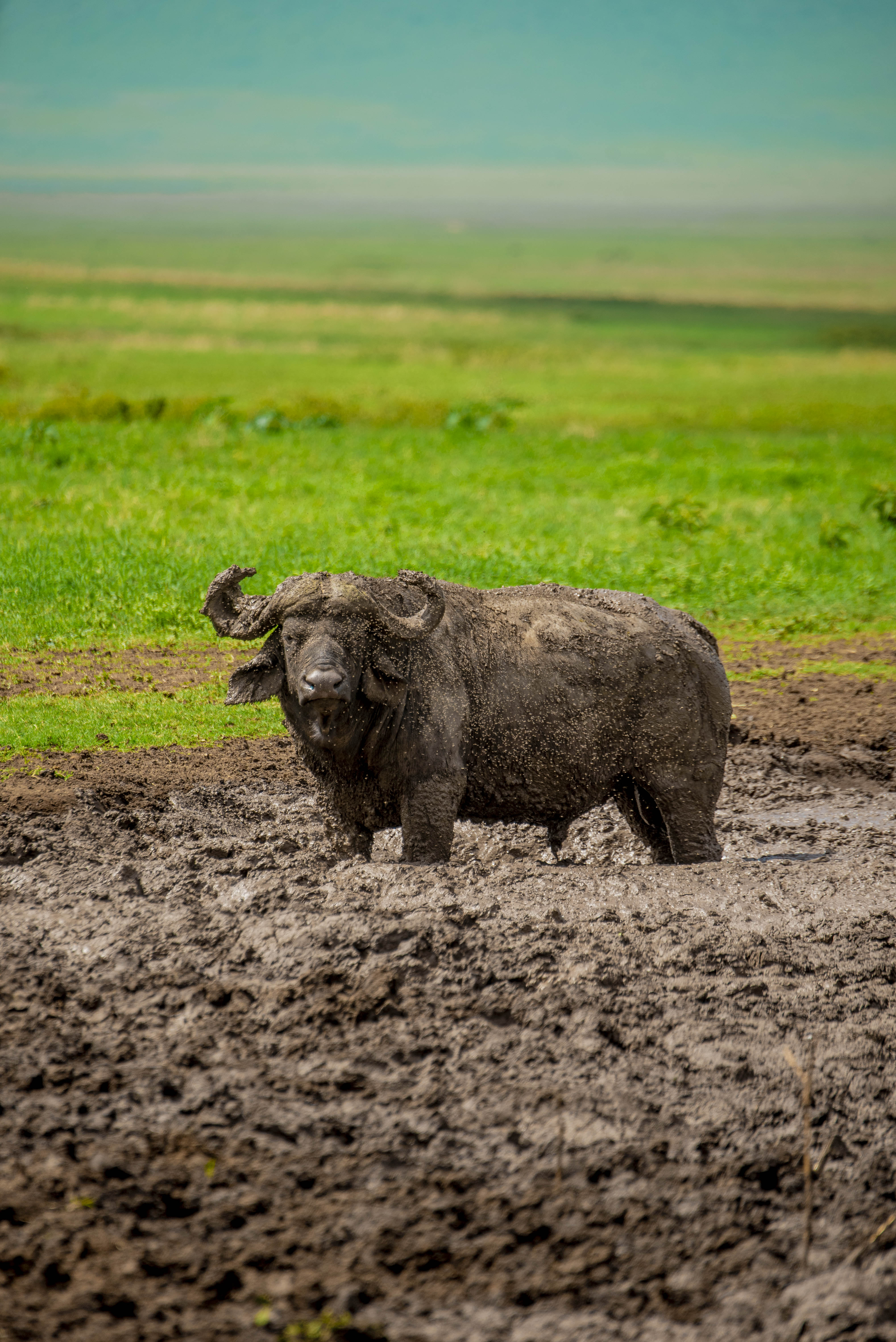
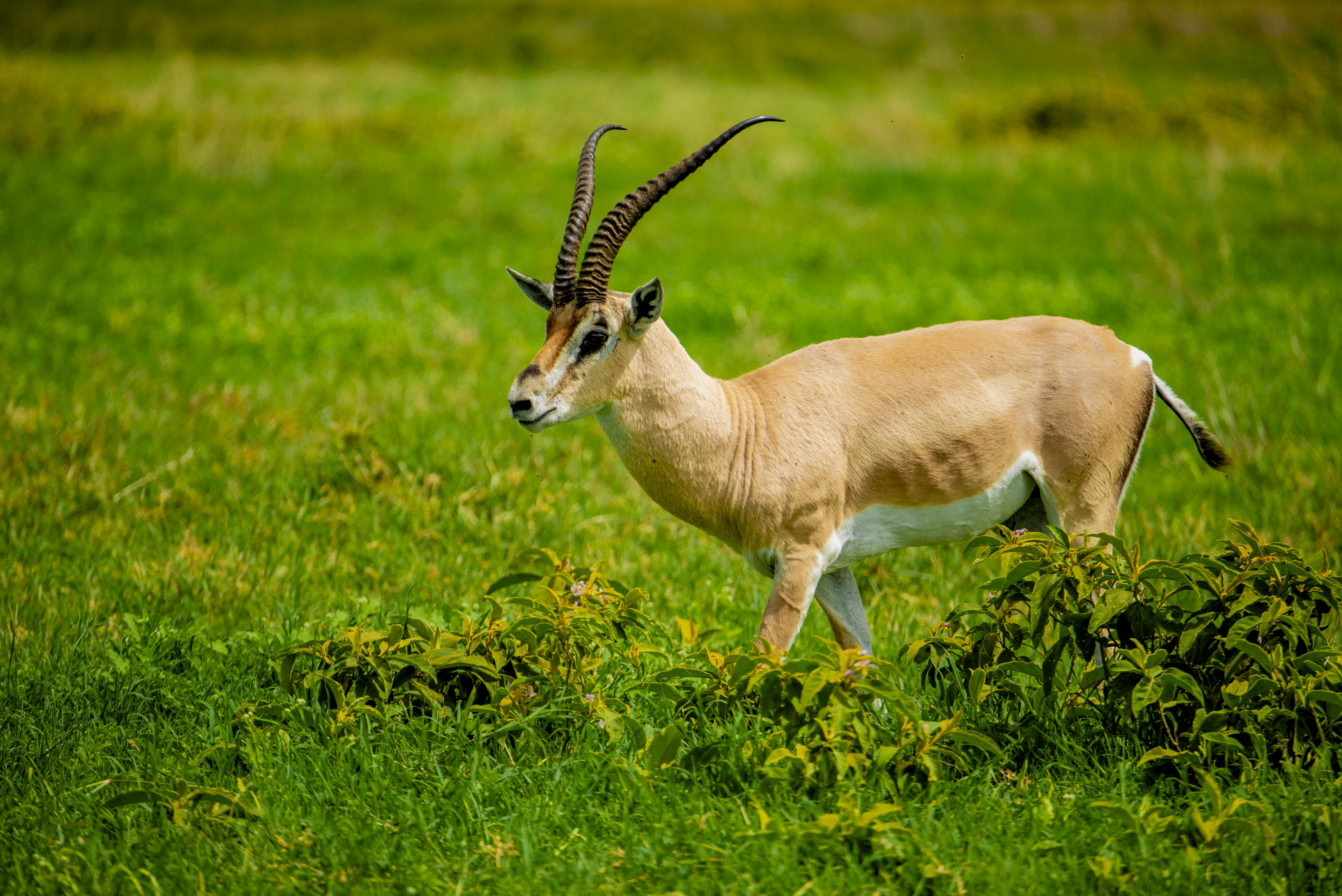
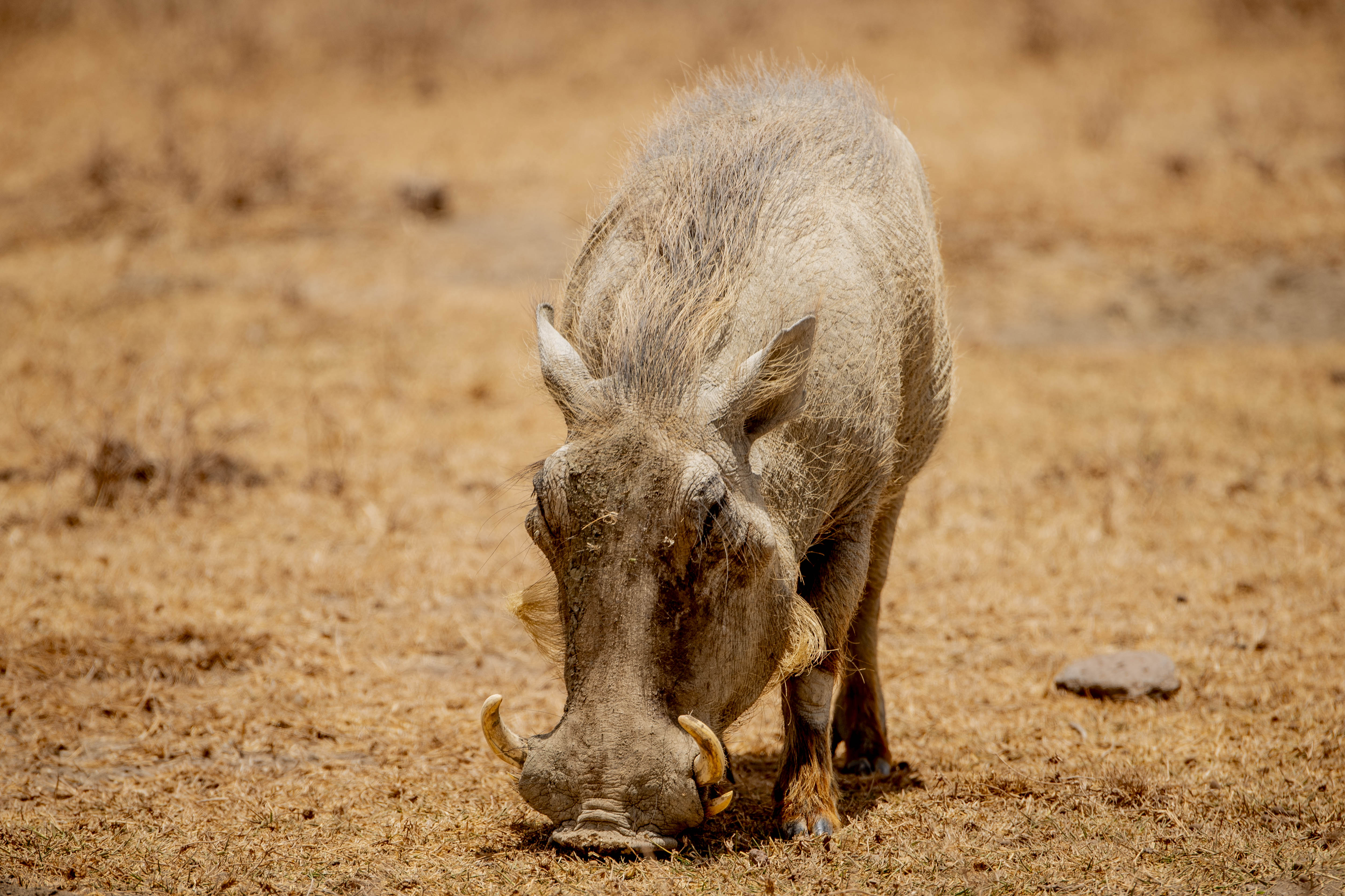
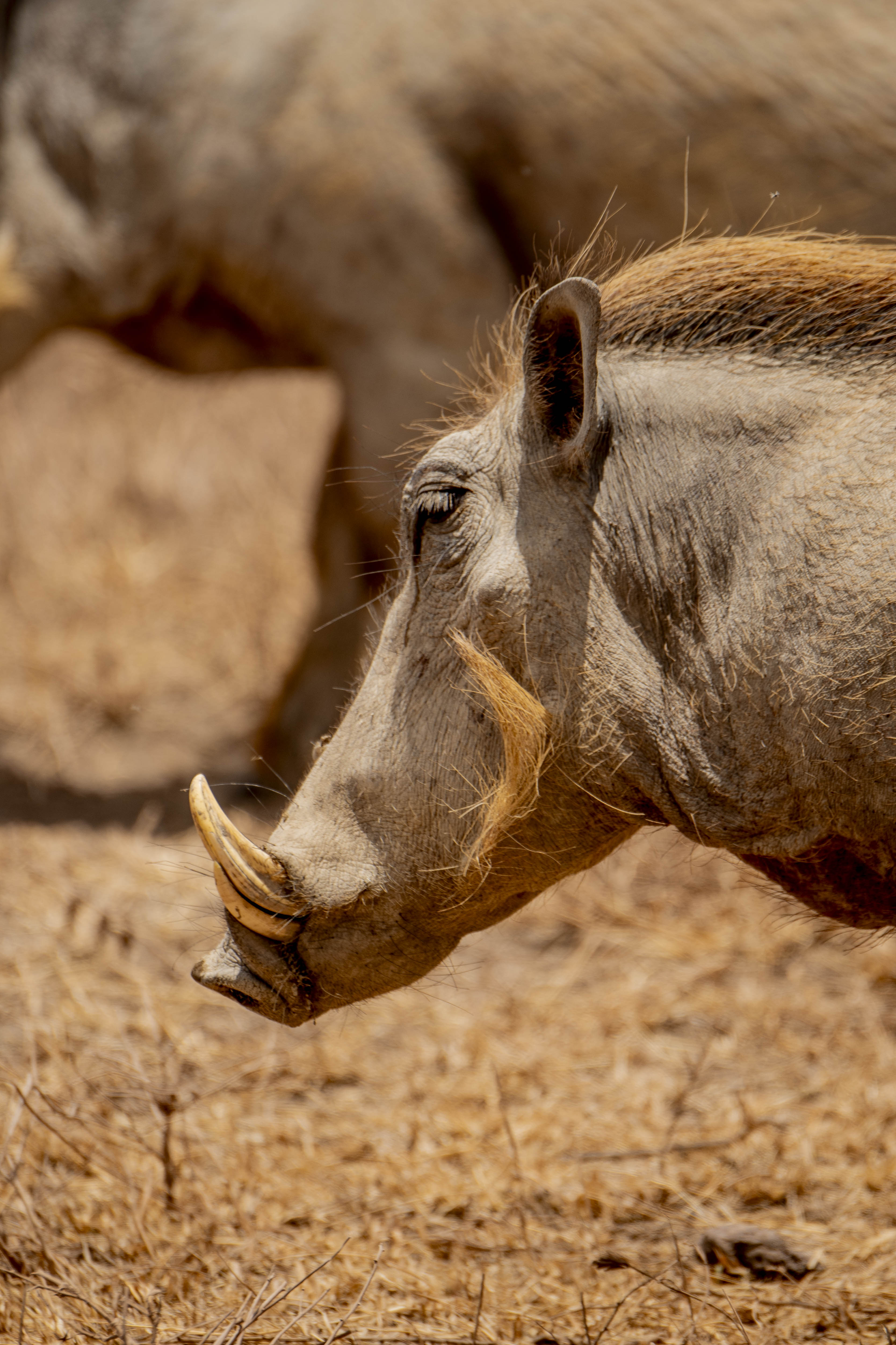
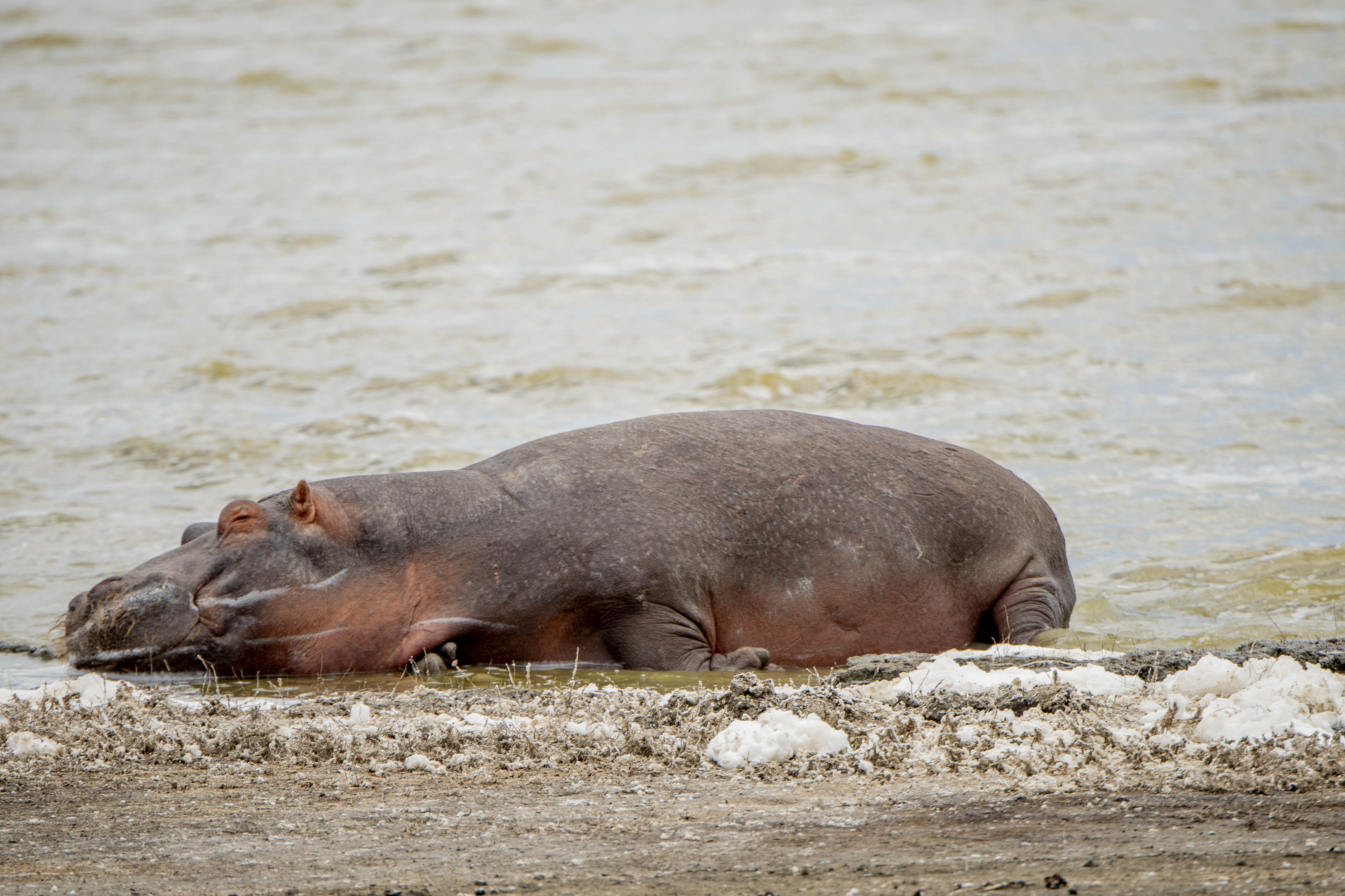
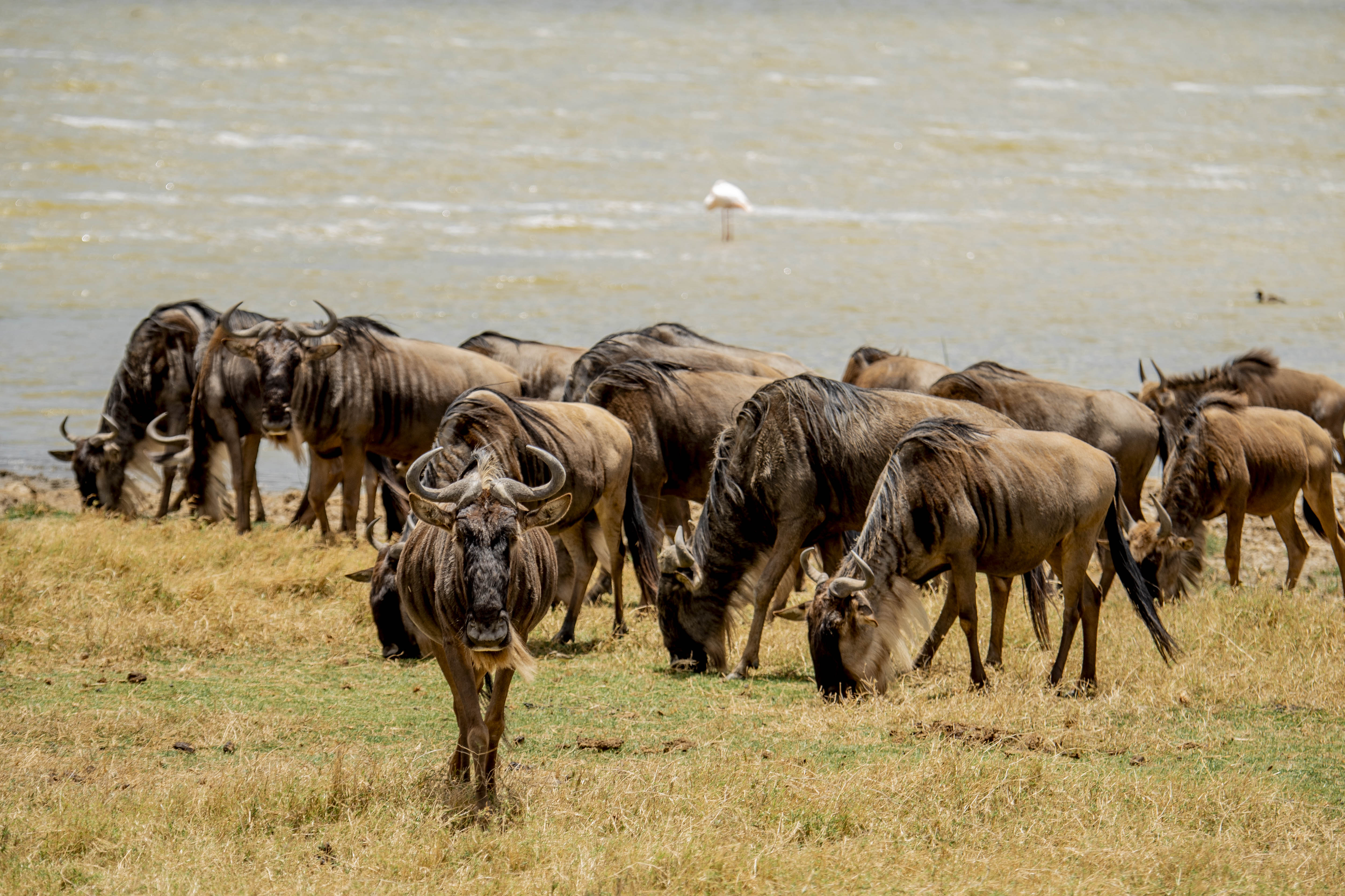
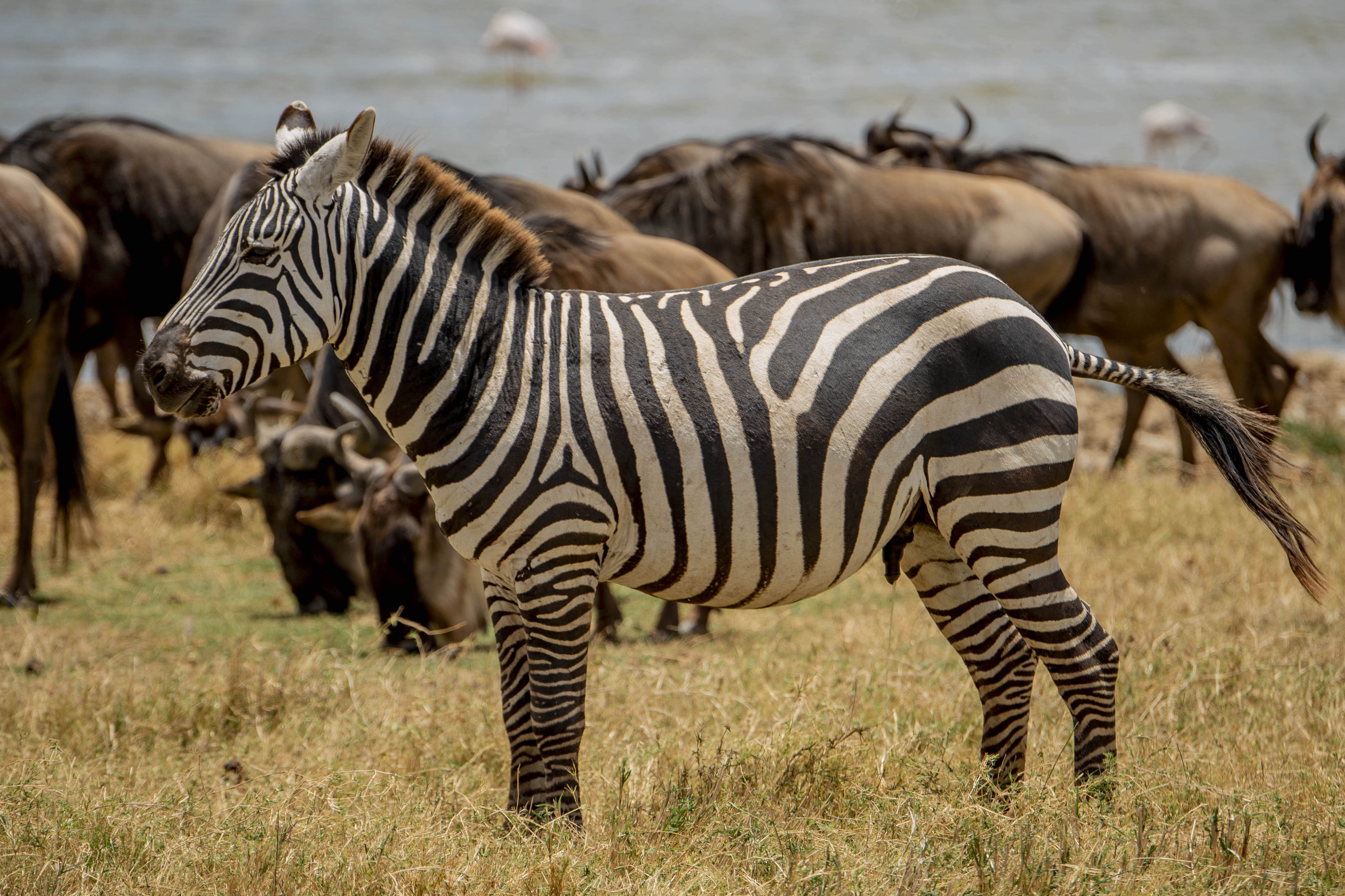
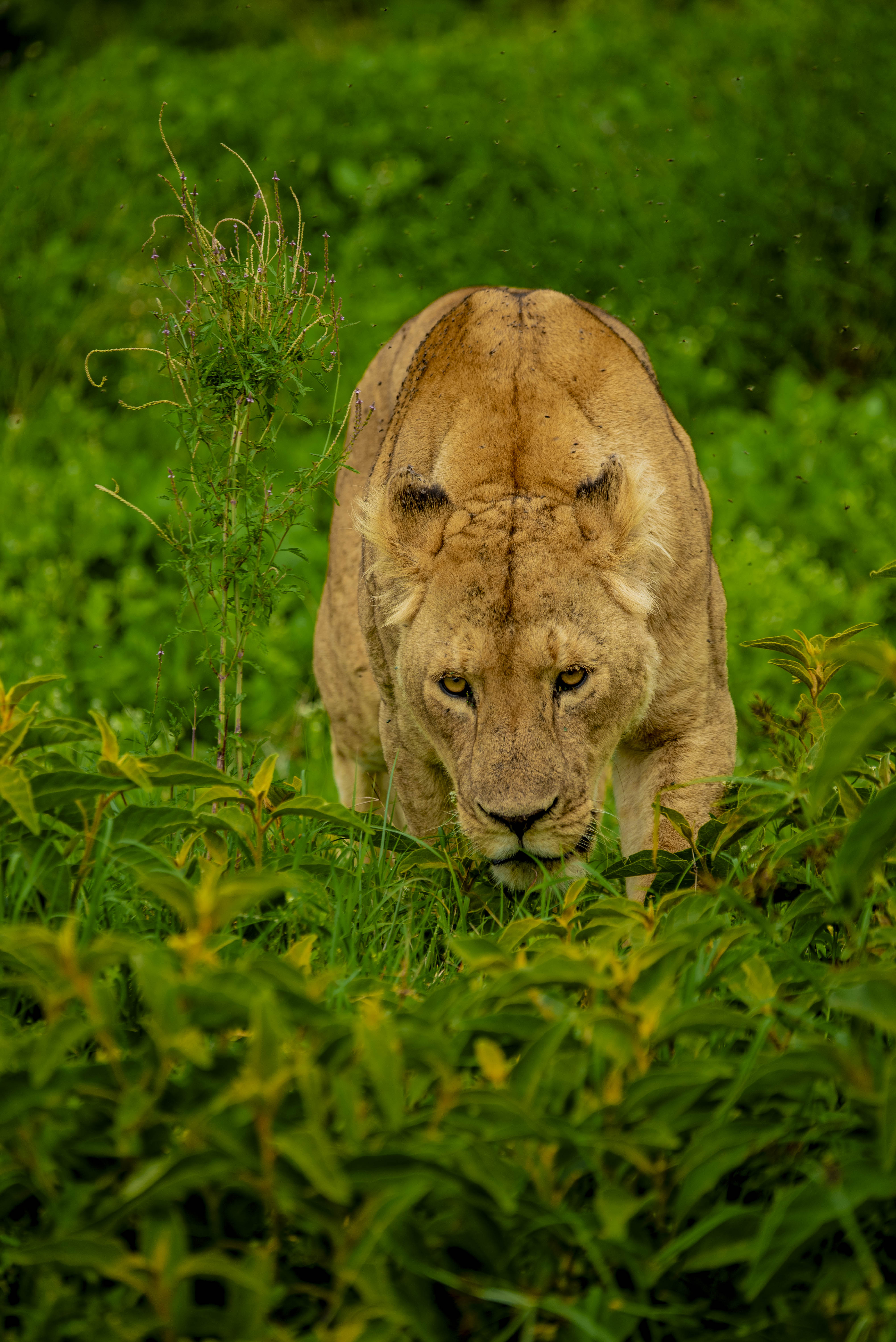
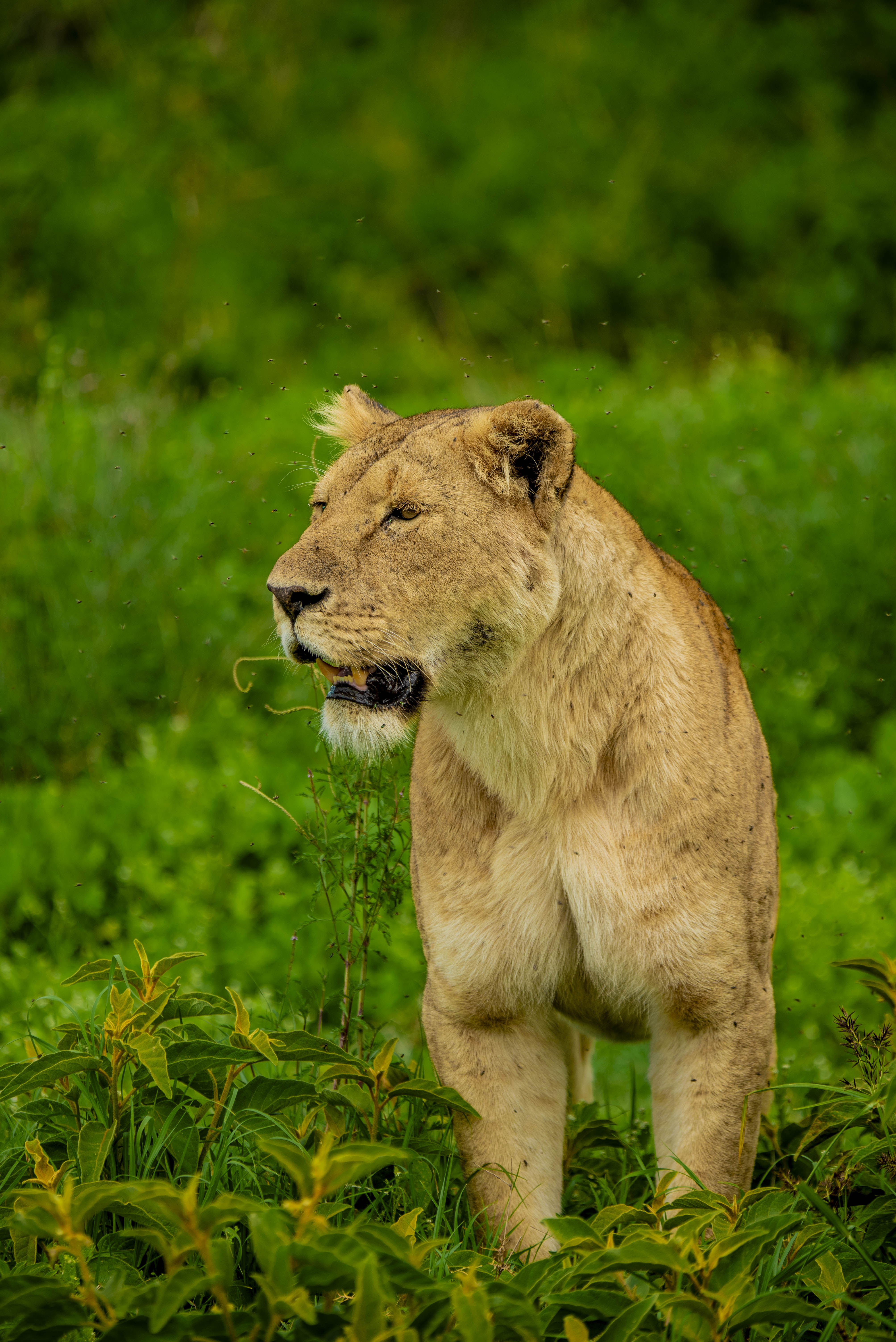
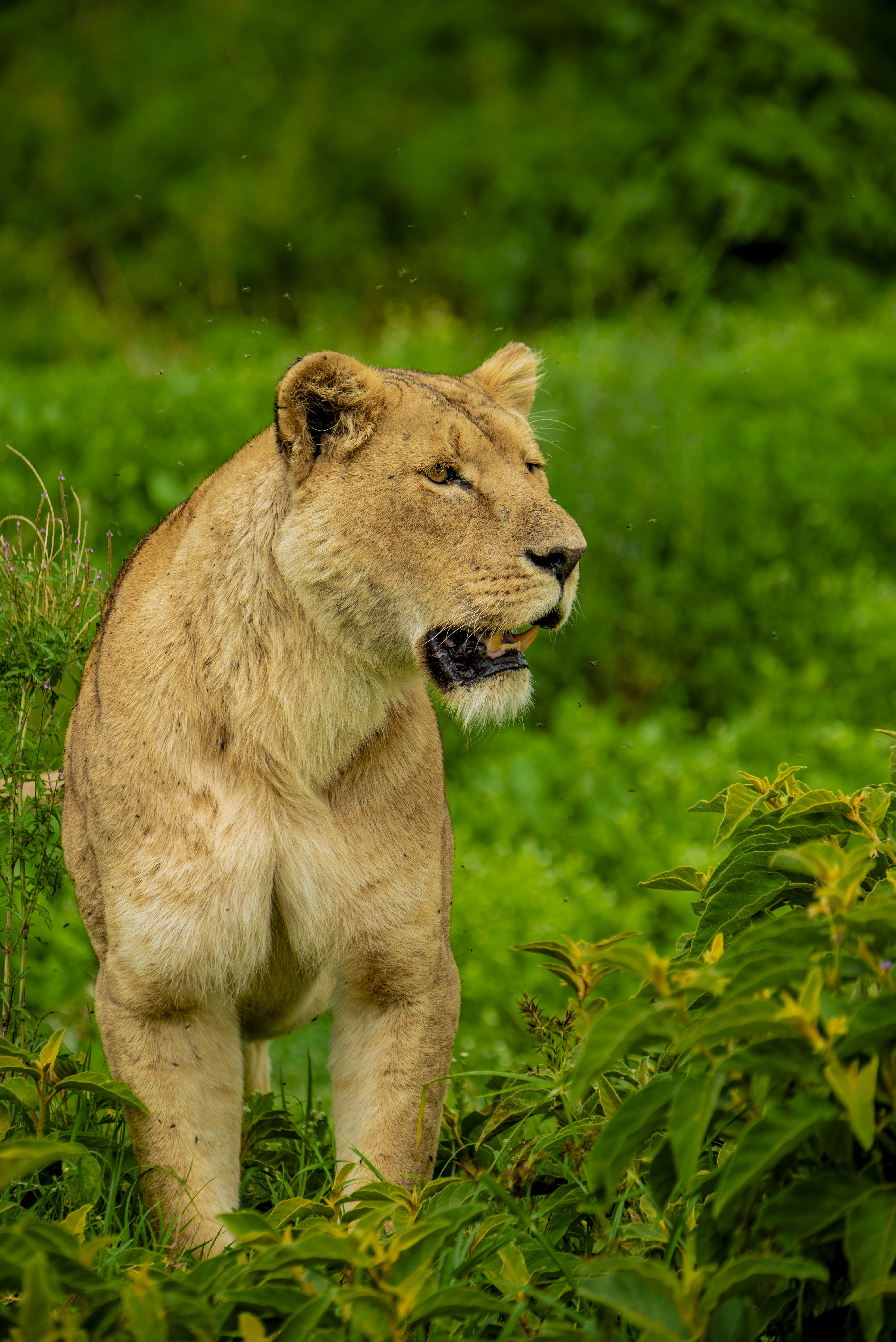
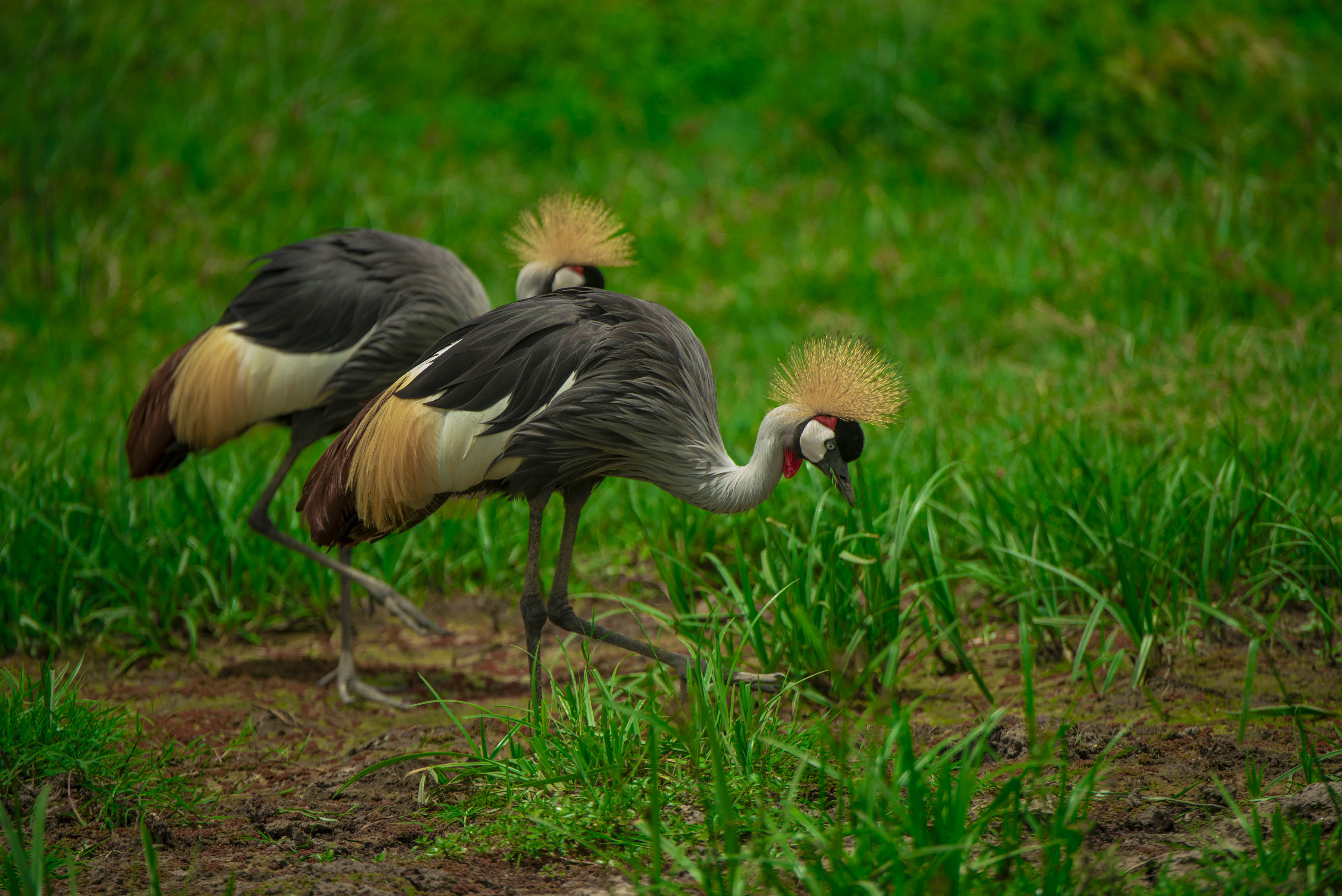
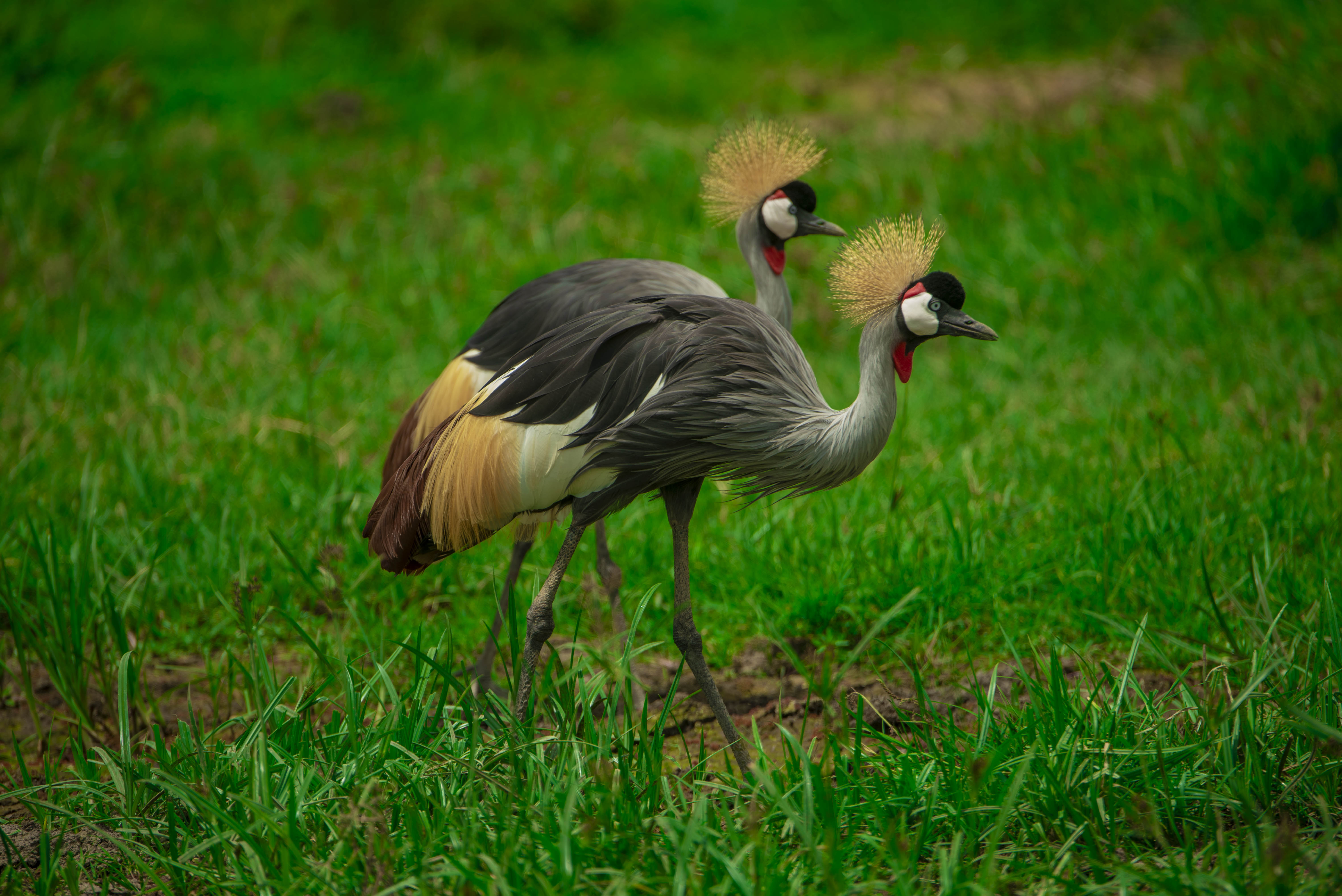
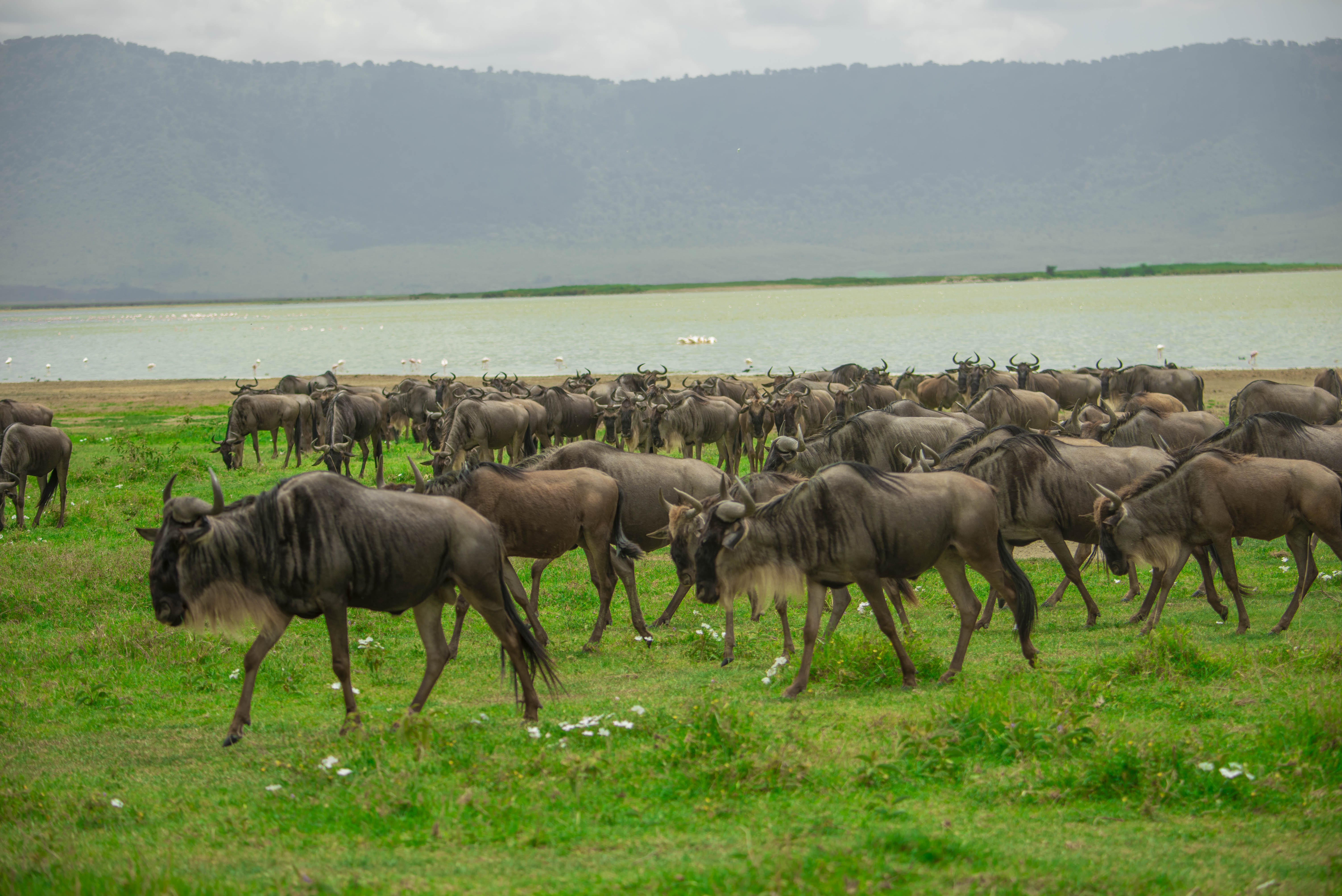
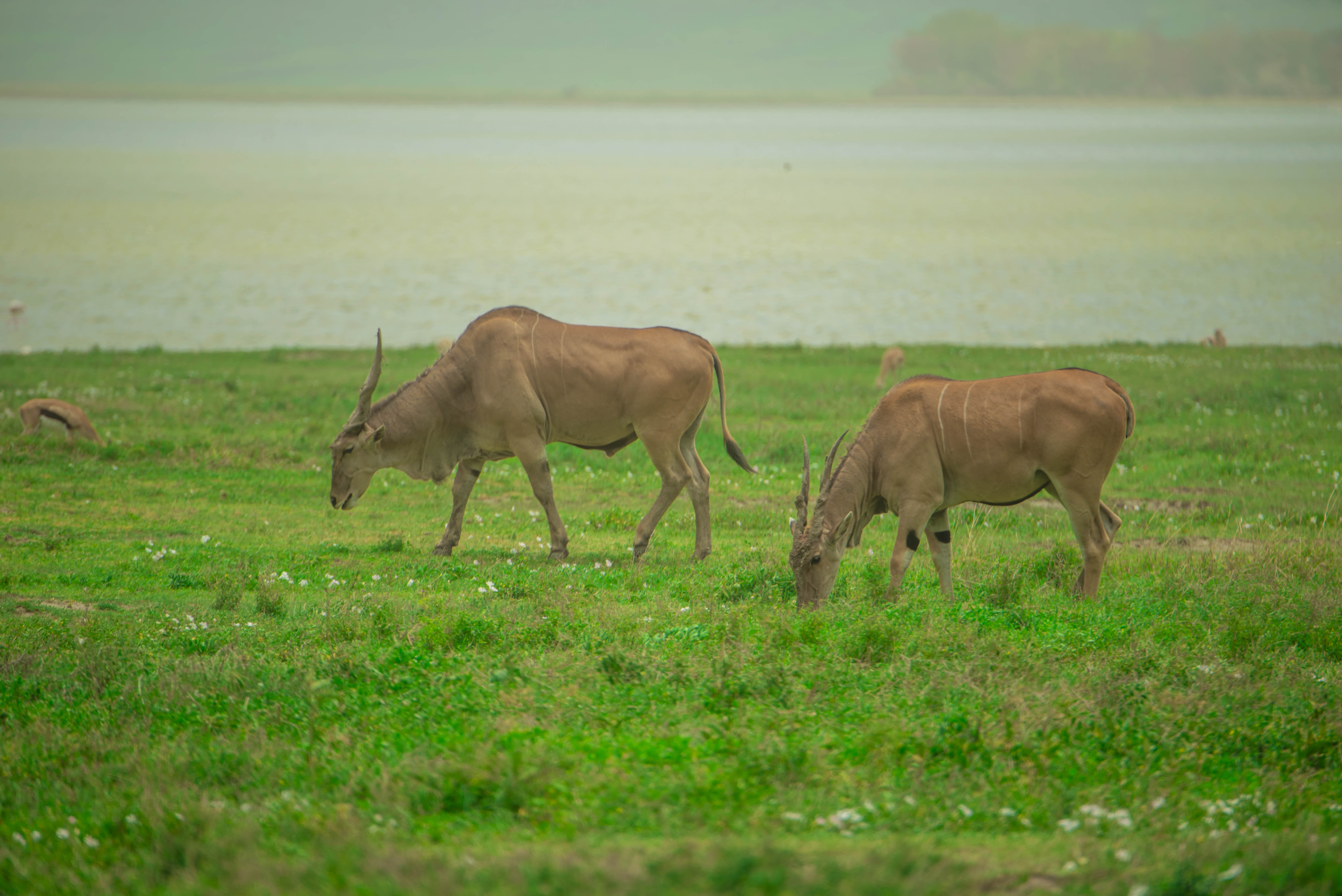
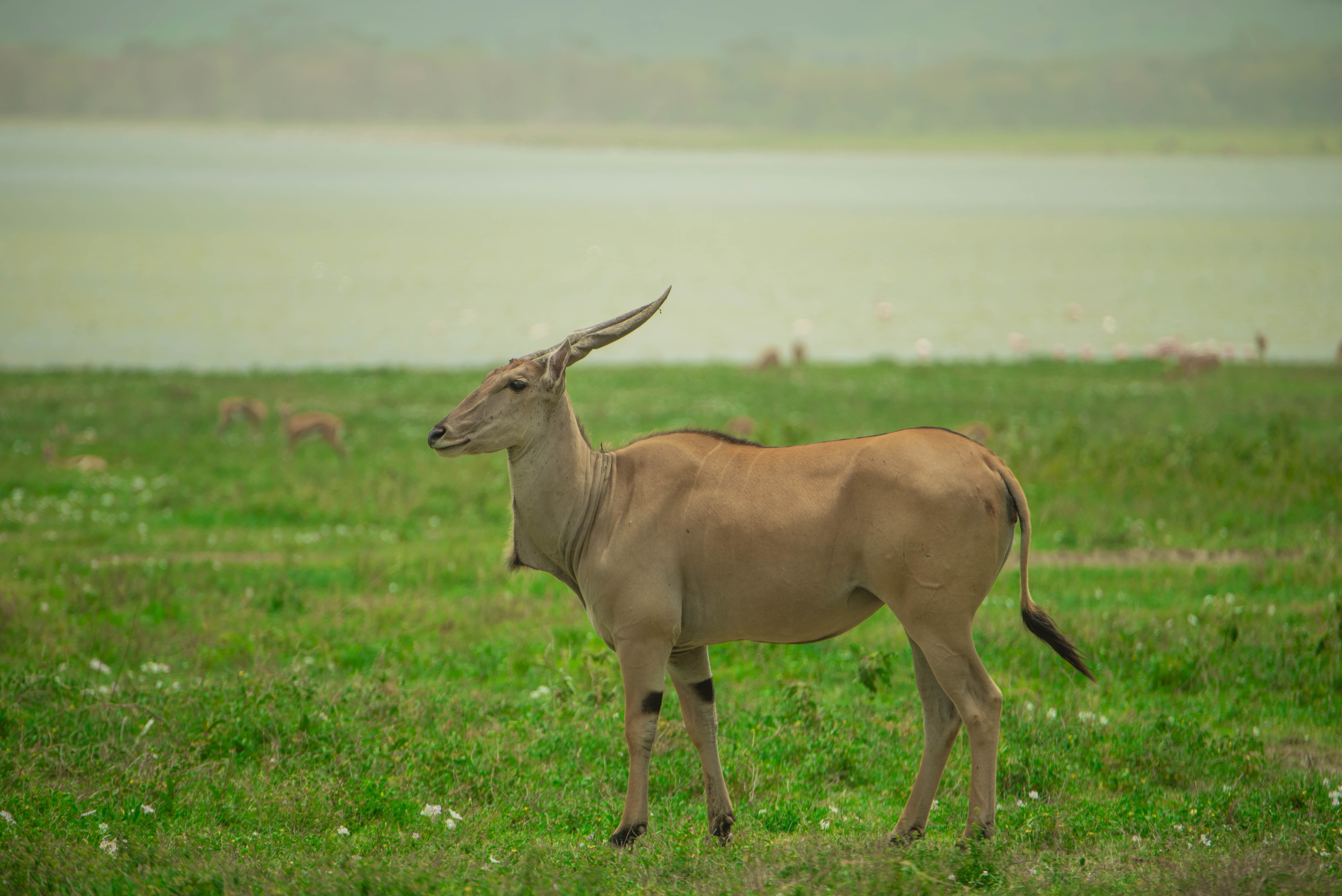
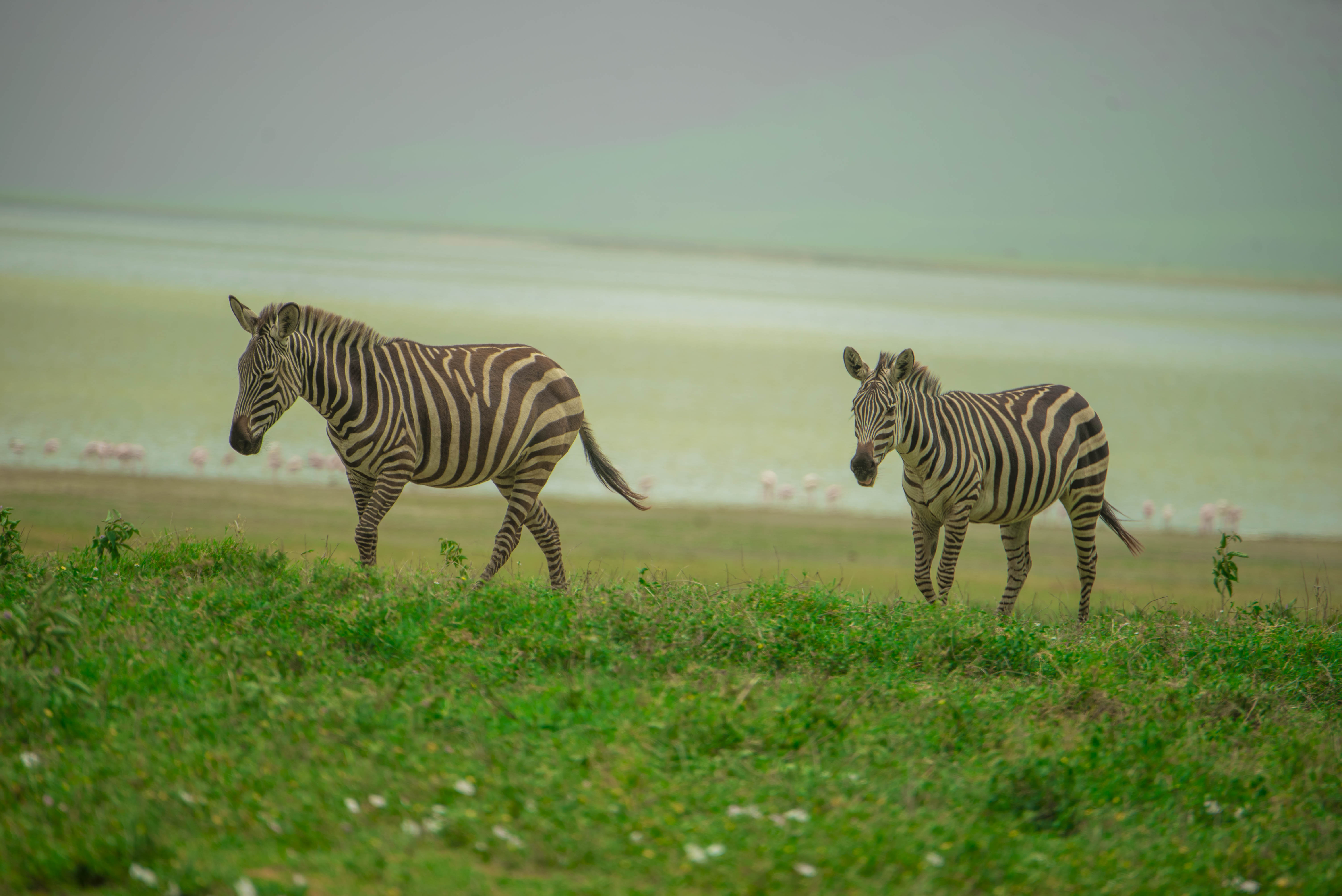
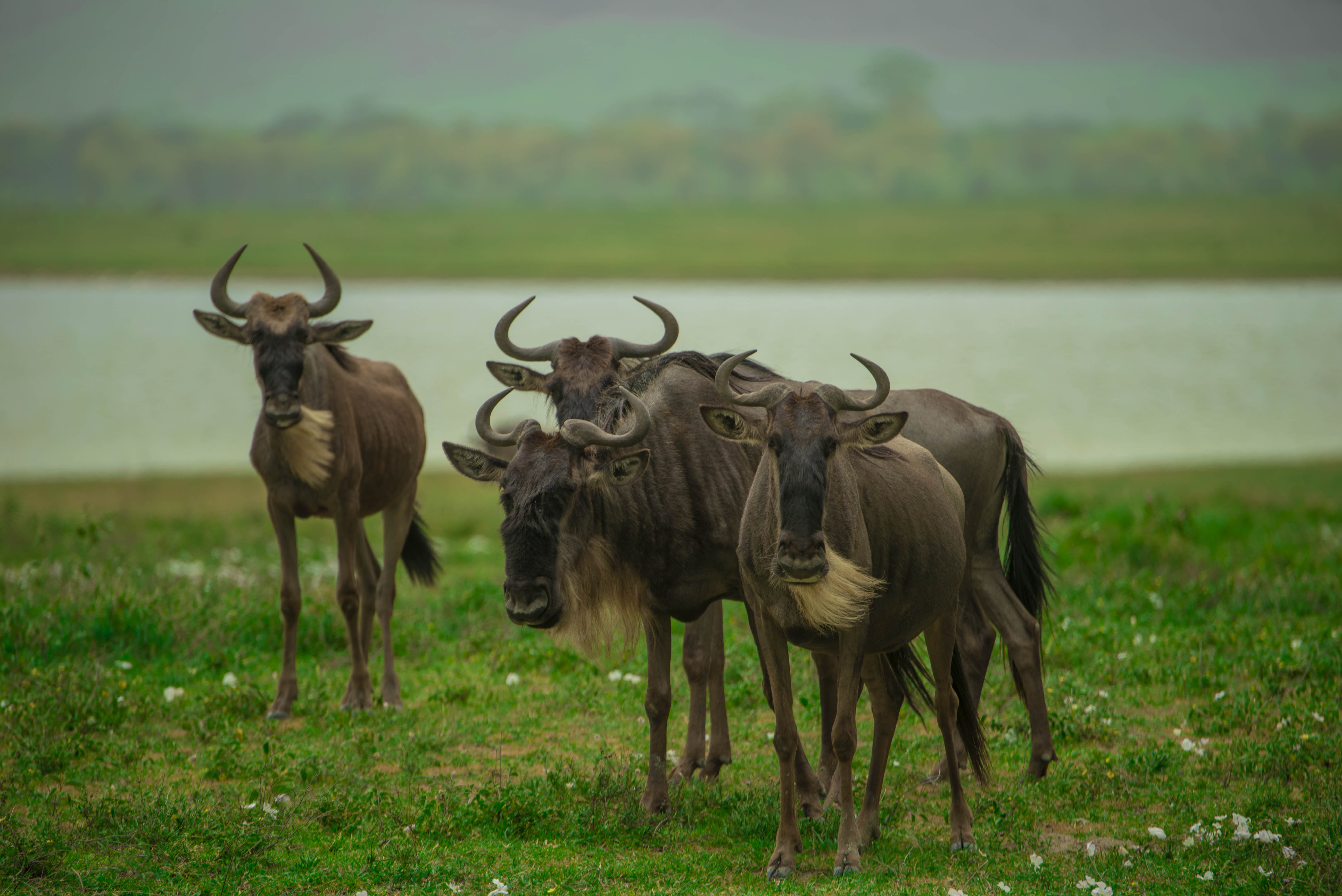
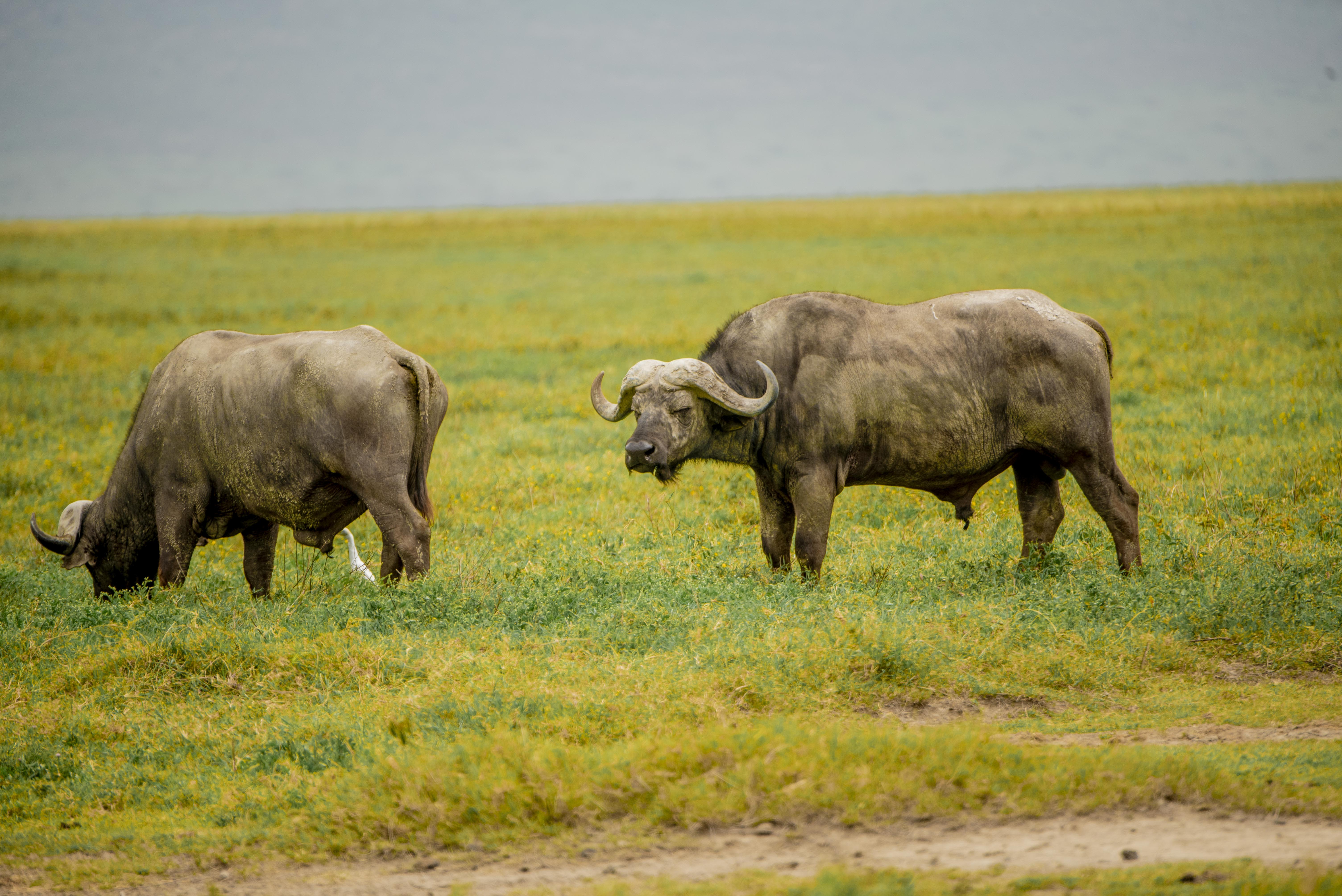
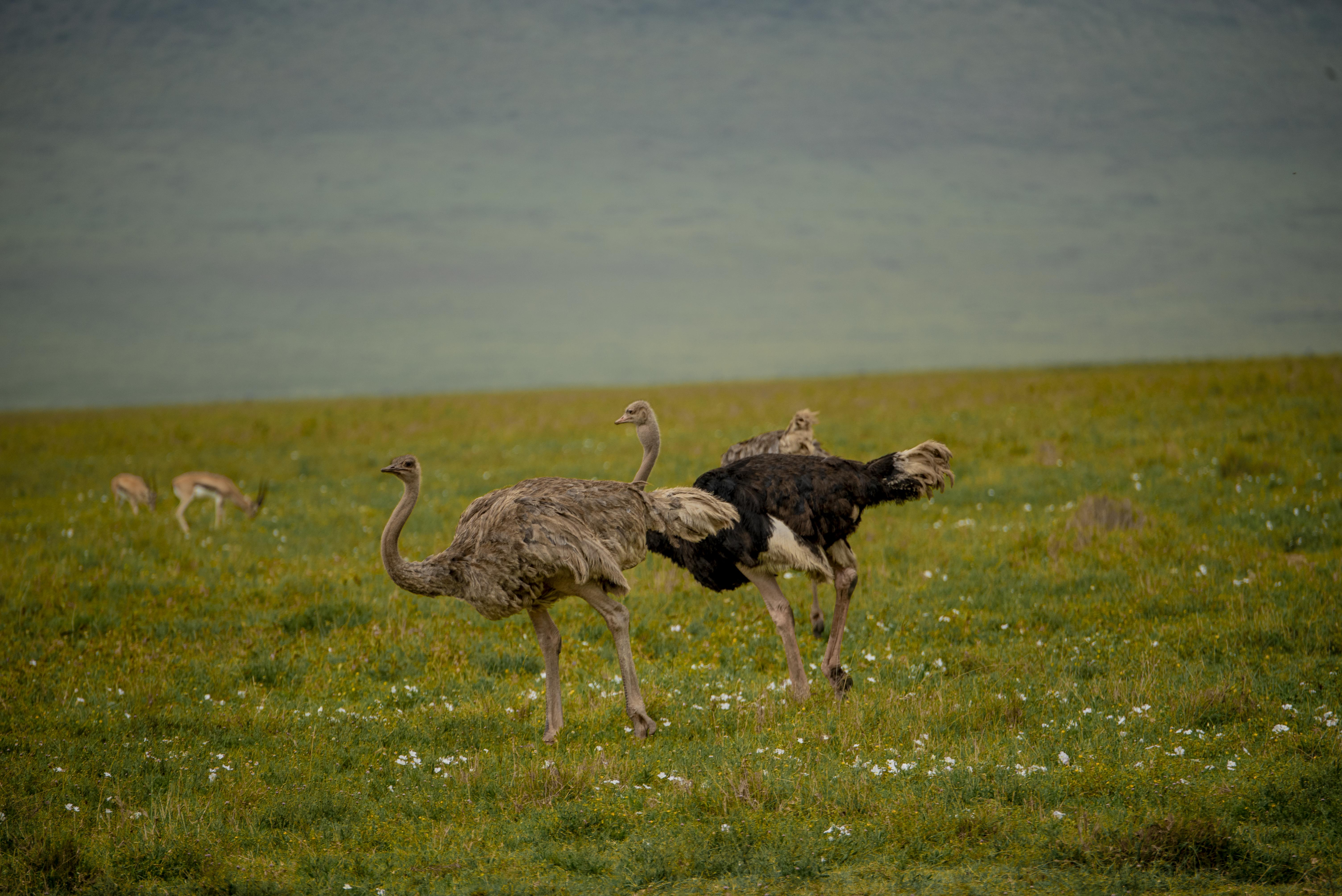
The crater floor covers 260 square kilometres and is home to approximately 25,000 large mammals — lions, leopards, elephants, buffalos, hippos, hyenas, wildebeest, zebra, and one of the last remaining populations of critically endangered black rhinoceros in Tanzania.
But the Ngorongoro Conservation Area is more than the crater. The Ndutu plains to the south are the calving grounds of the Great Migration. Olduvai Gorge is a short drive from the crater rim. Ally knows all of it.
Tanzania's most critically endangered animal. A small population of black rhino inhabits the crater floor — sightings are never guaranteed, but the Ngorongoro Crater is one of the few places in East Africa where they are regularly seen.
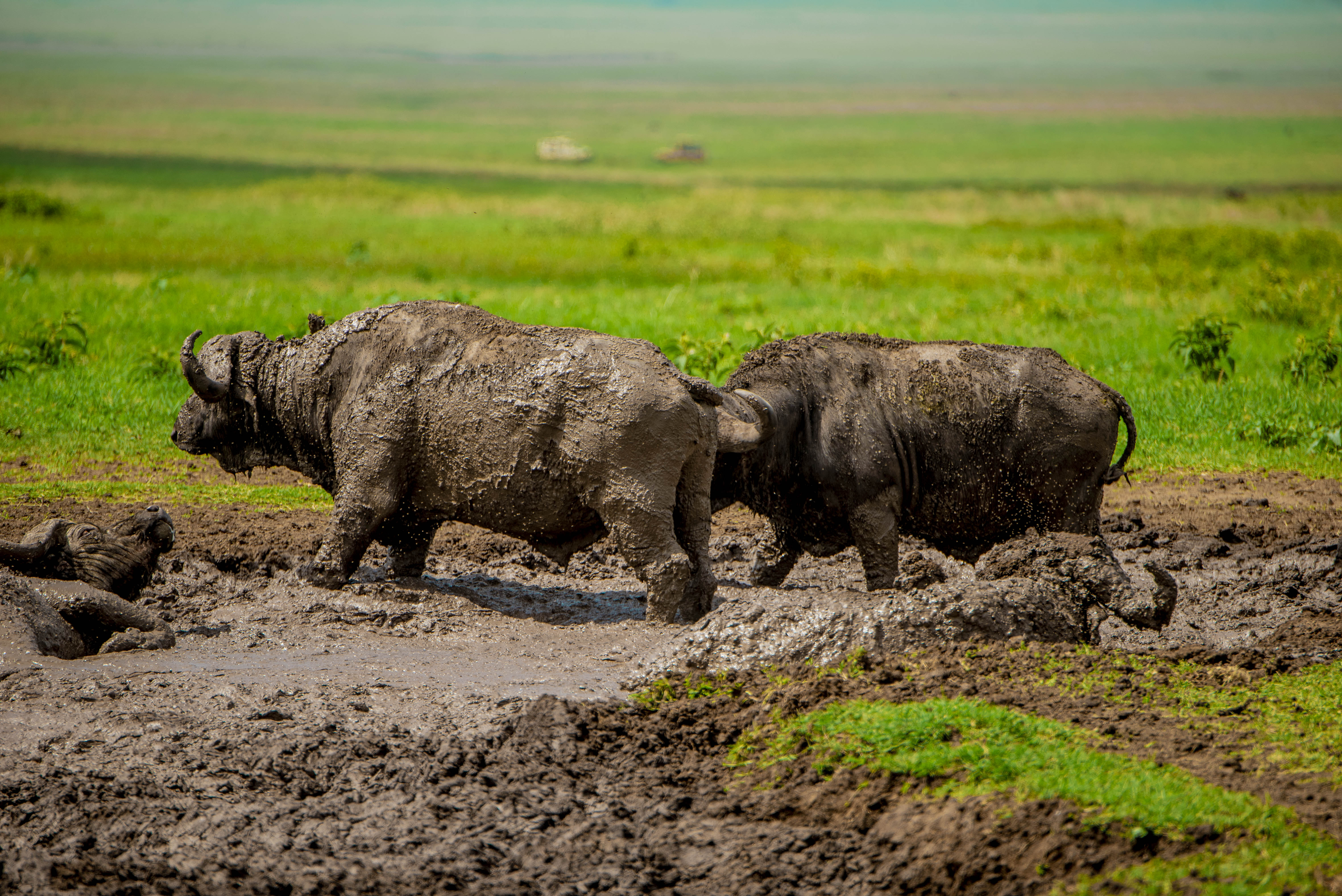
Lion, leopard, elephant, buffalo, rhino — all present, all year. The crater's enclosed ecosystem means extraordinary concentrations. Ally once saw all five before 10am.
The descent into the crater is one of the great drives in Africa — a winding road down 600m of vertical wall to the floor below. The view from the rim at sunrise, looking out over the mist, is the Ngorongoro that stays in your memory forever.
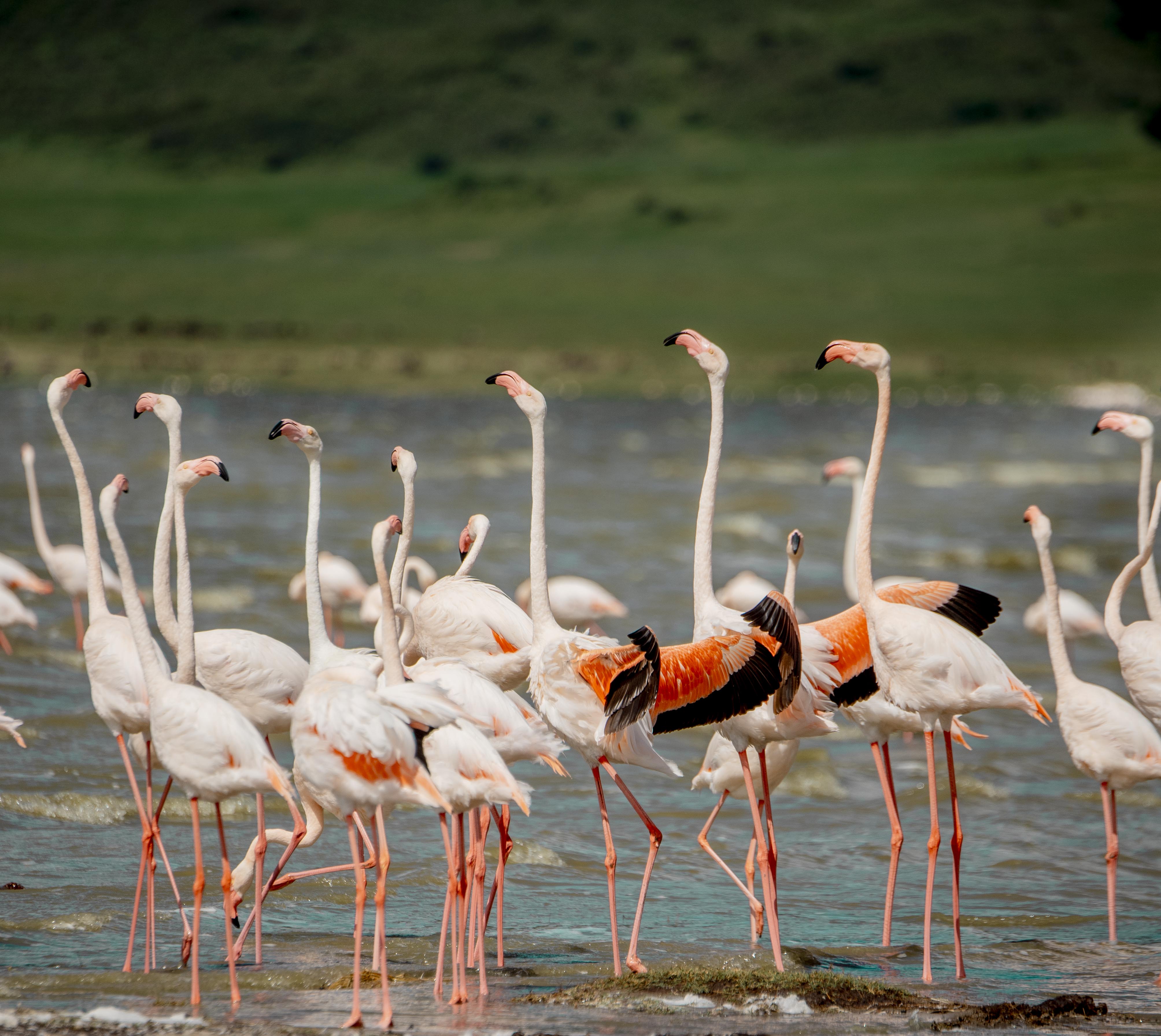
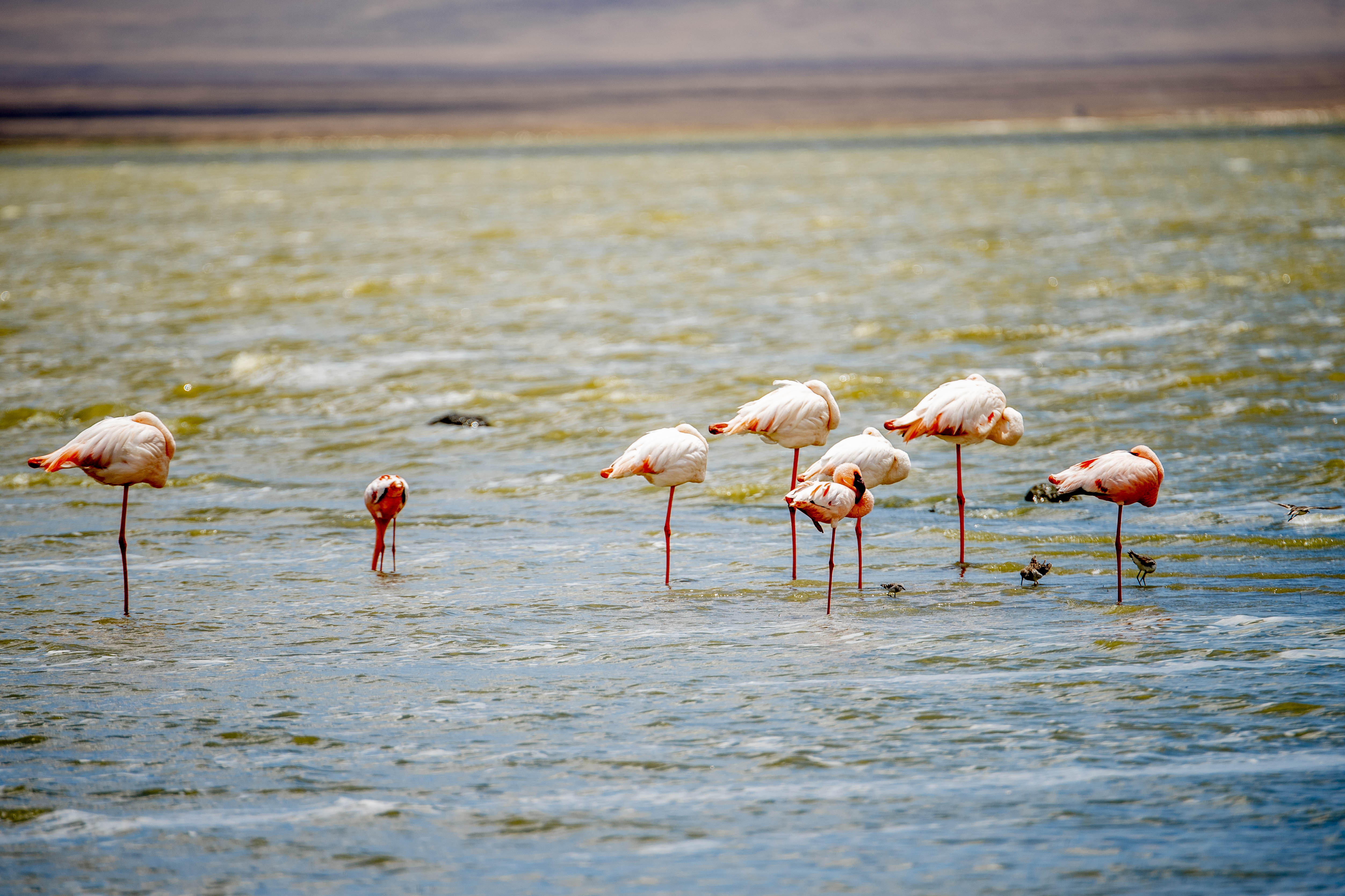
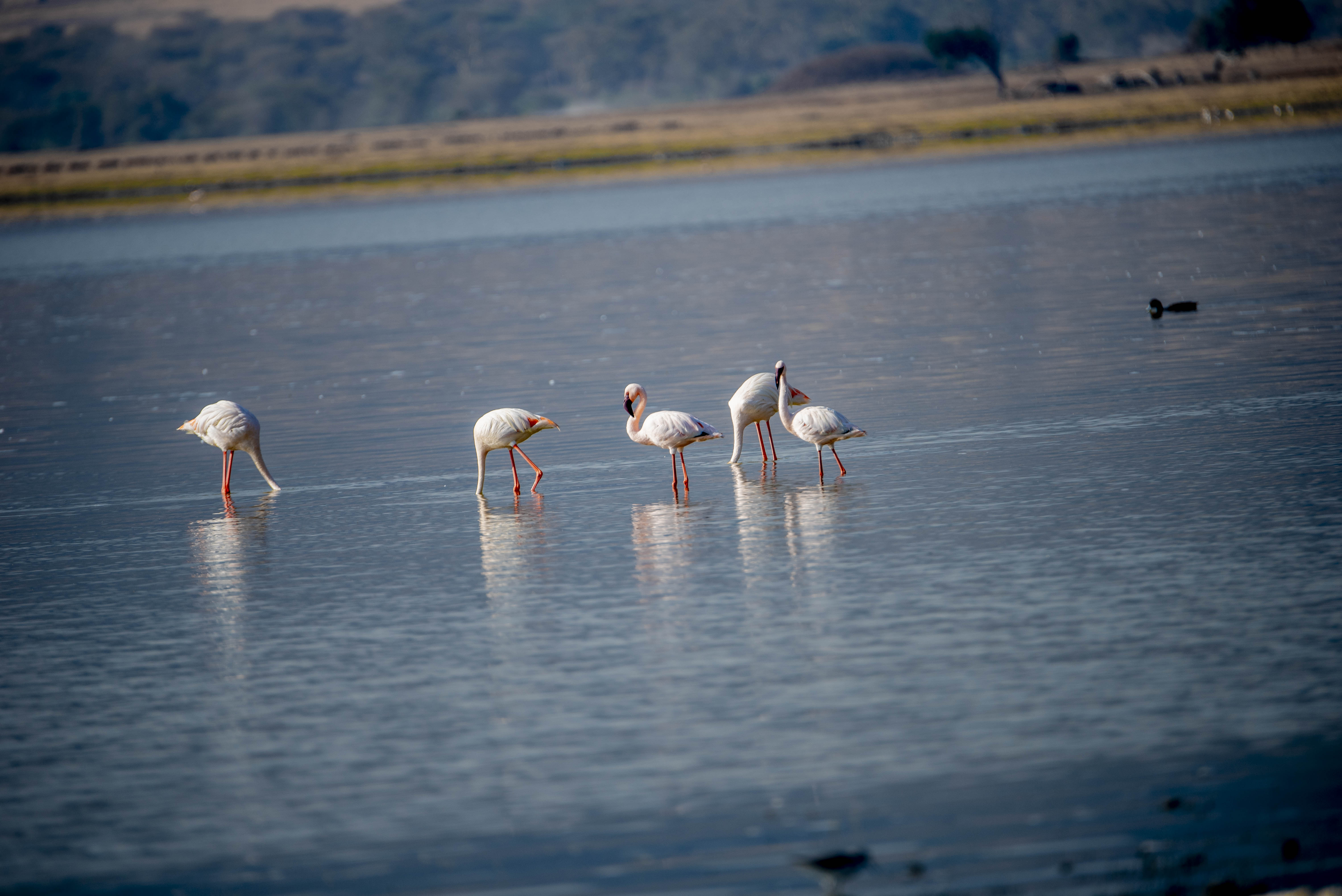
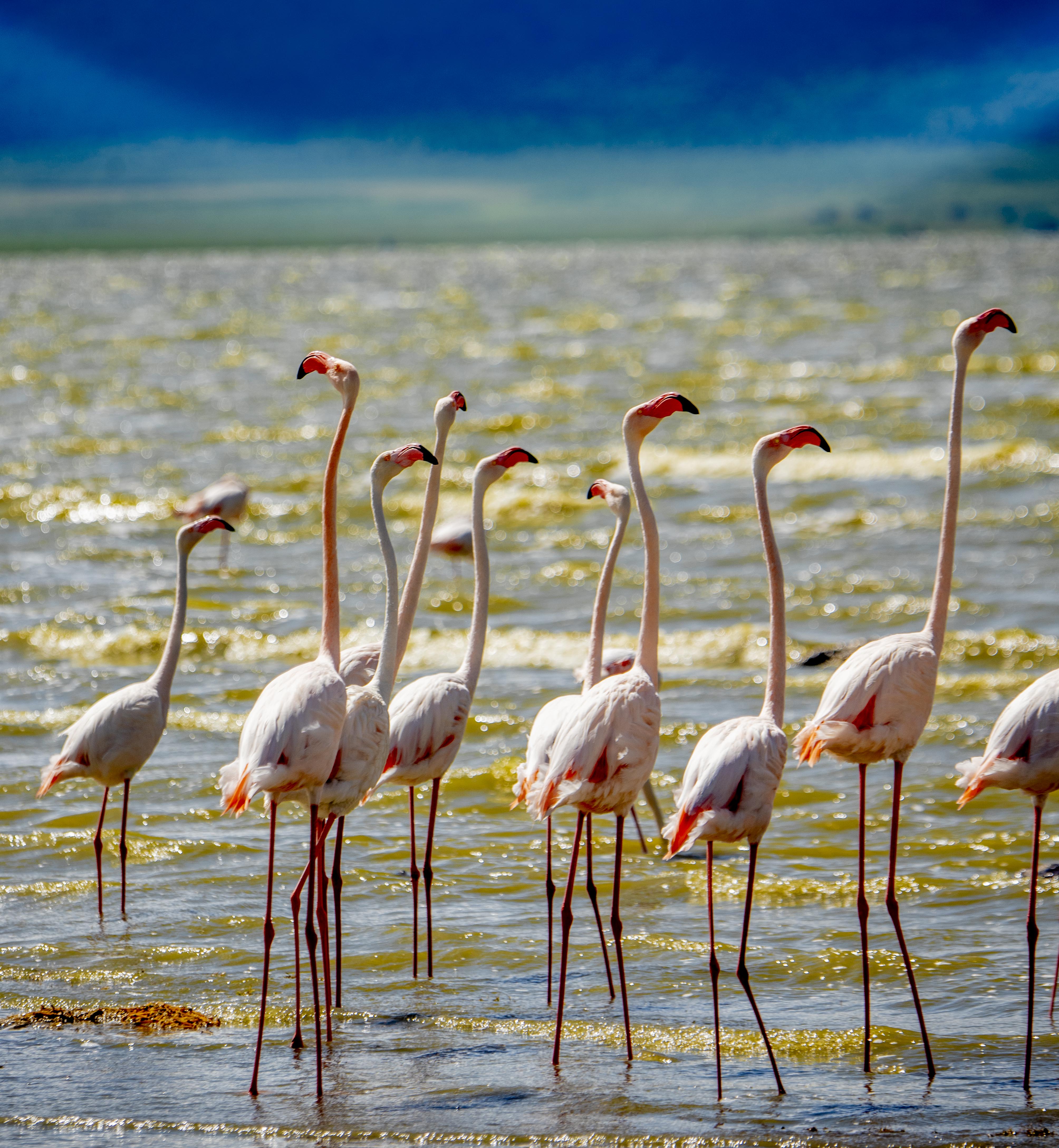
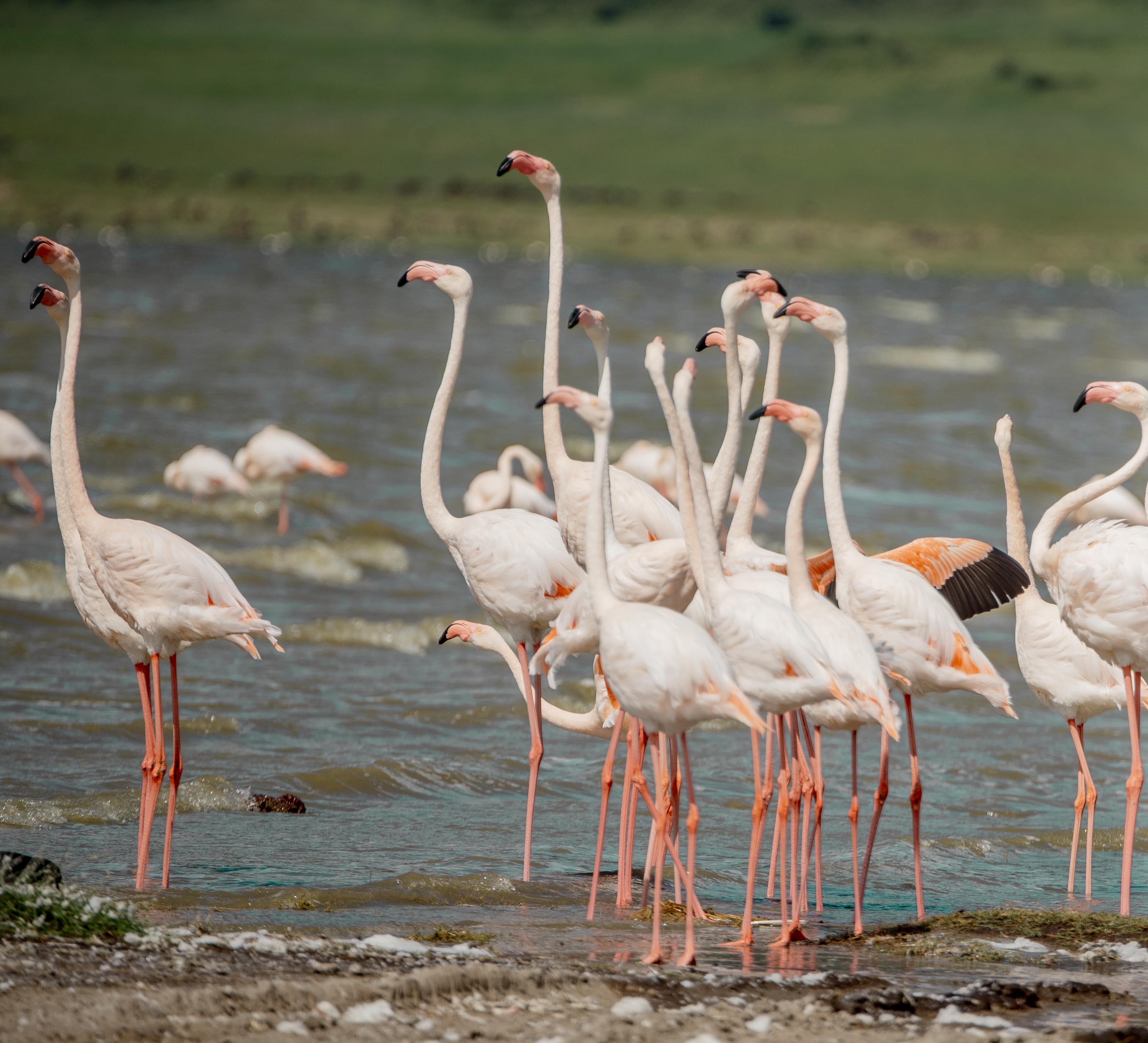
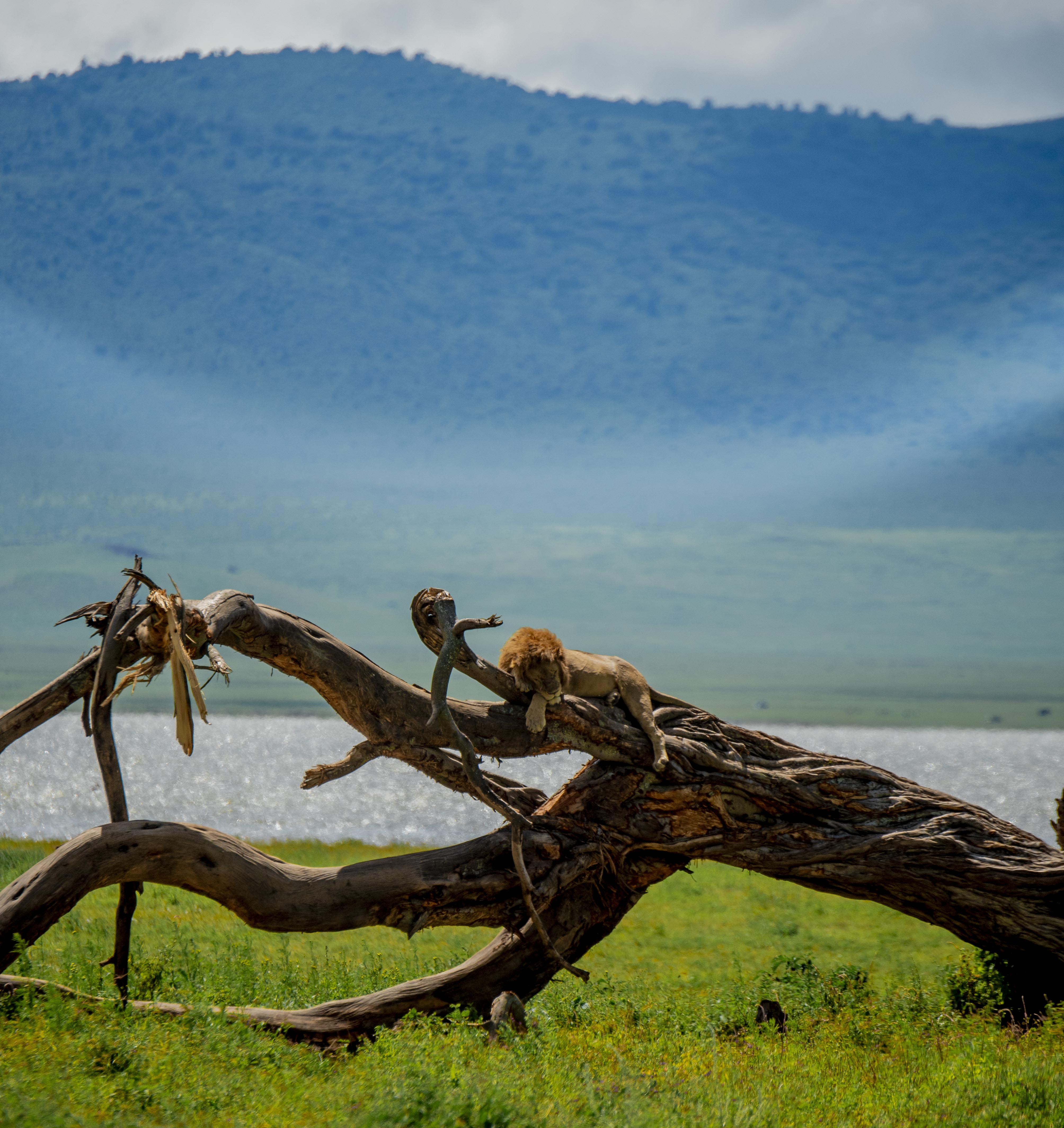
A soda lake on the crater floor supports hundreds of flamingos, hippo pods, and the lion prides that famously climb trees. A standard inclusion on the Ngorongoro route and genuinely spectacular in its own right.
The site where some of the oldest human fossils ever found were excavated — Homo habilis, nearly 2 million years old. The small museum here is one of the most fascinating stops in all of Tanzania, and almost no one goes.
On request, Ally can arrange a morning with the Hadza — one of the last remaining hunter-gatherer tribes on Earth, living in the highlands near Lake Eyasi. An experience that reframes everything you think you know about human history.
One full day in the Ngorongoro Crater and you'll understand why Ally calls it the eighth wonder of the world.