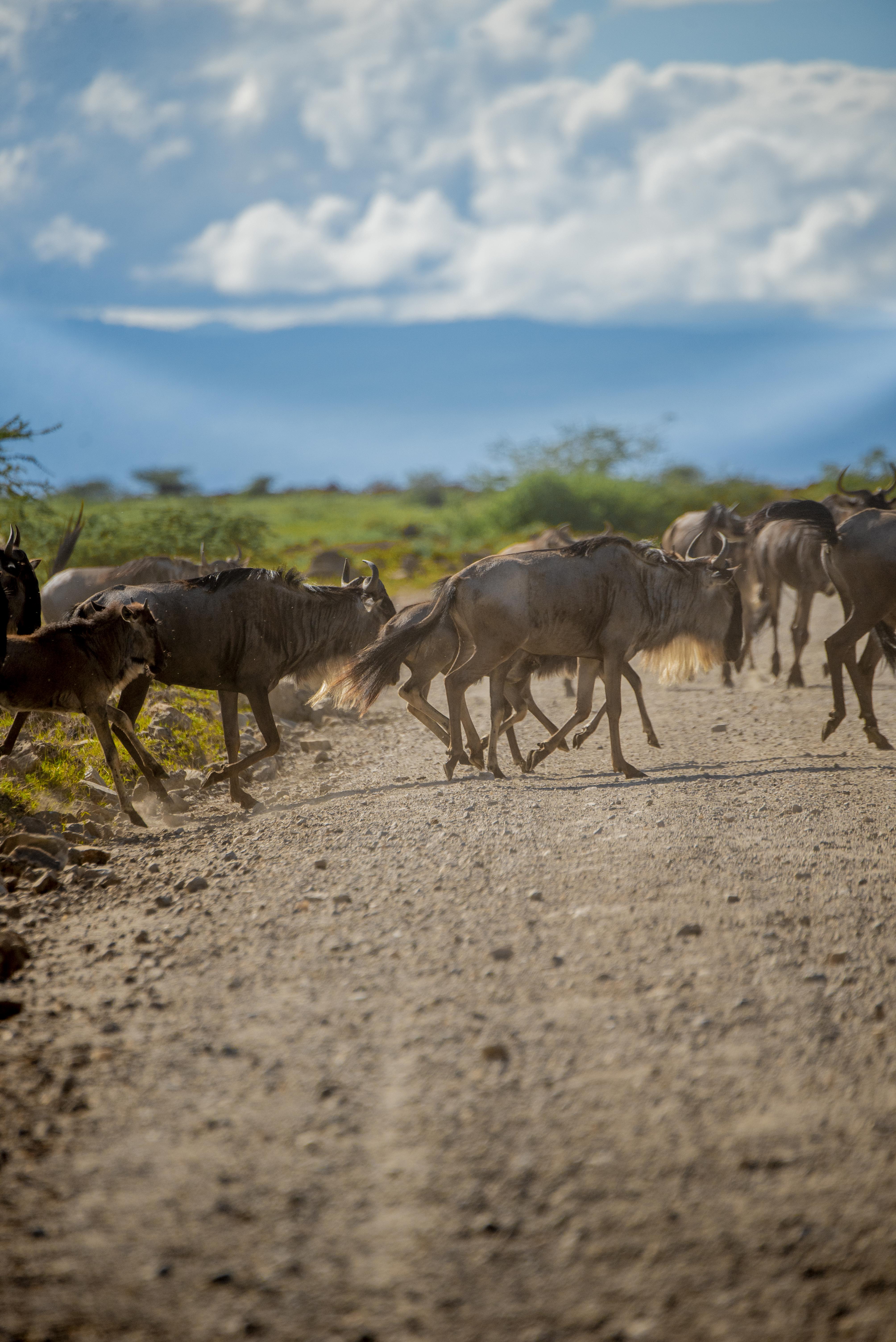
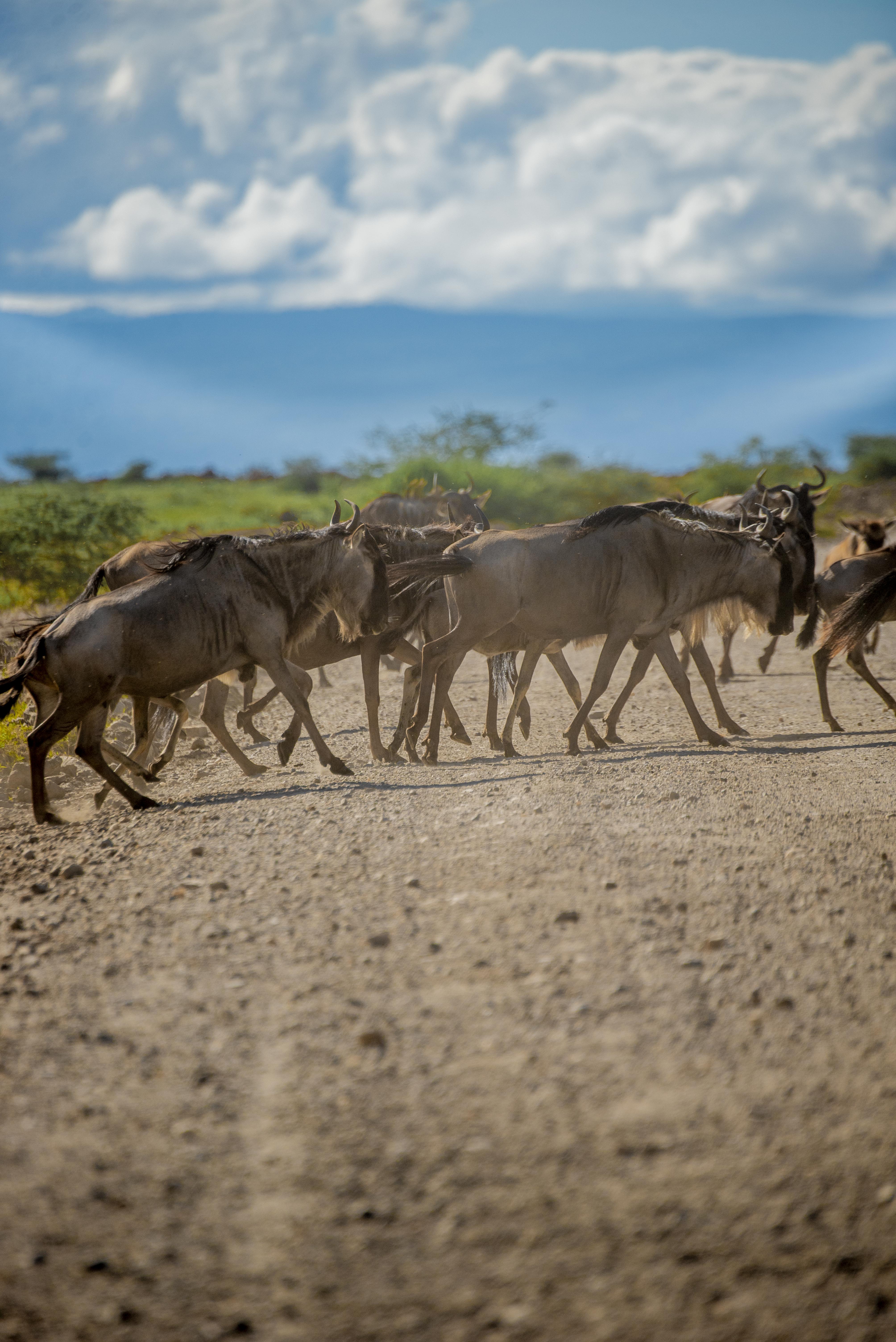
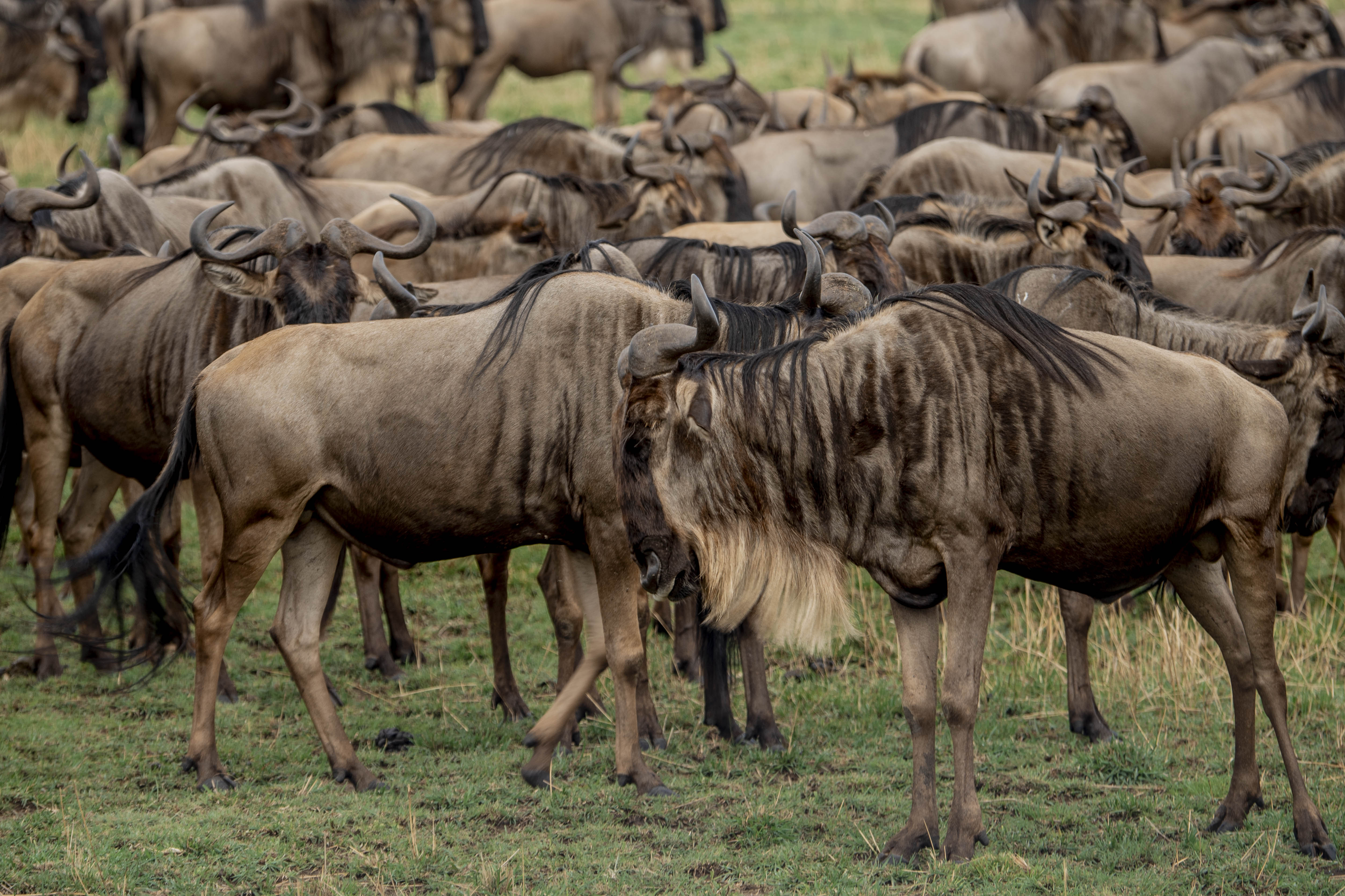
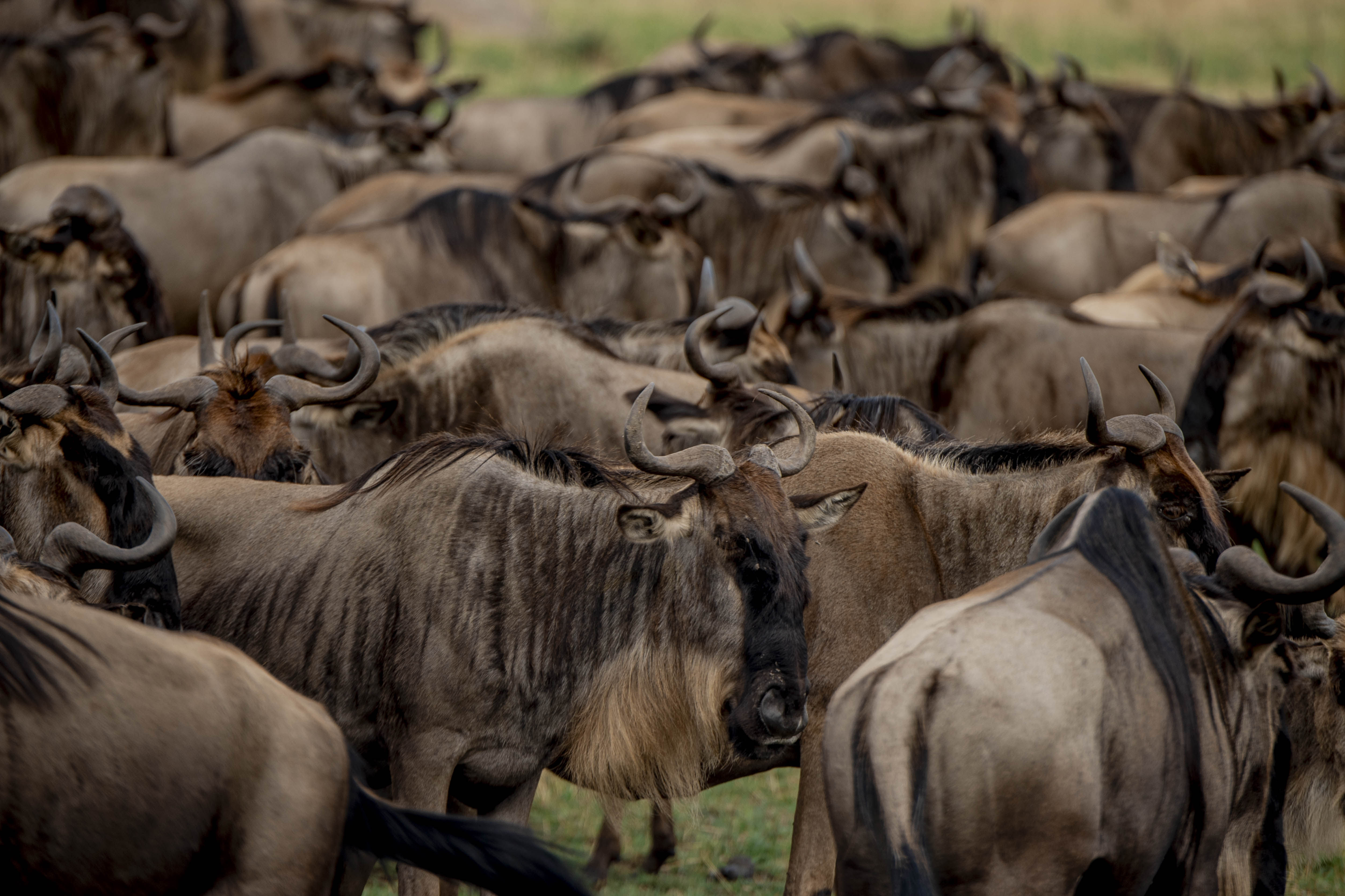
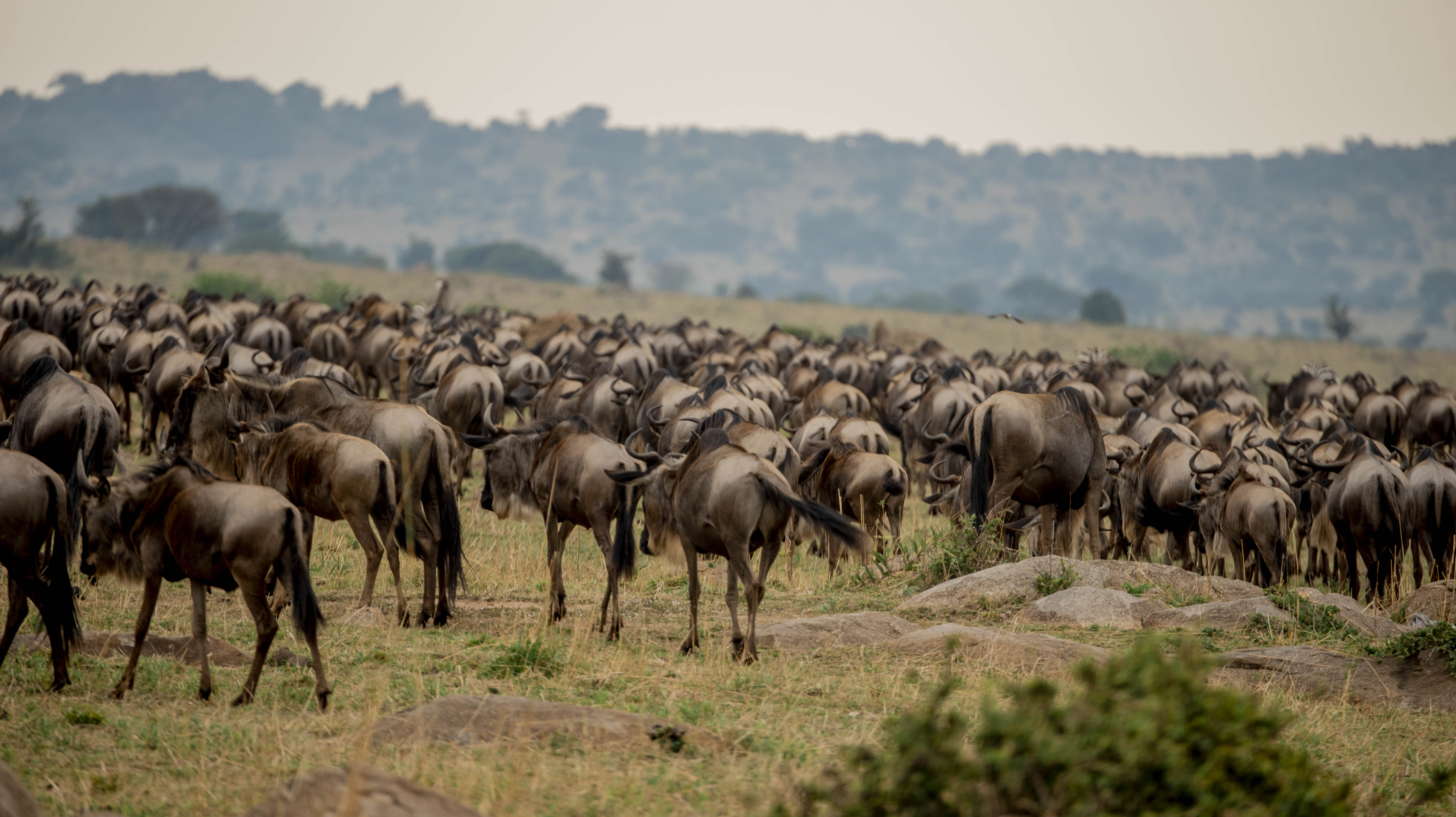
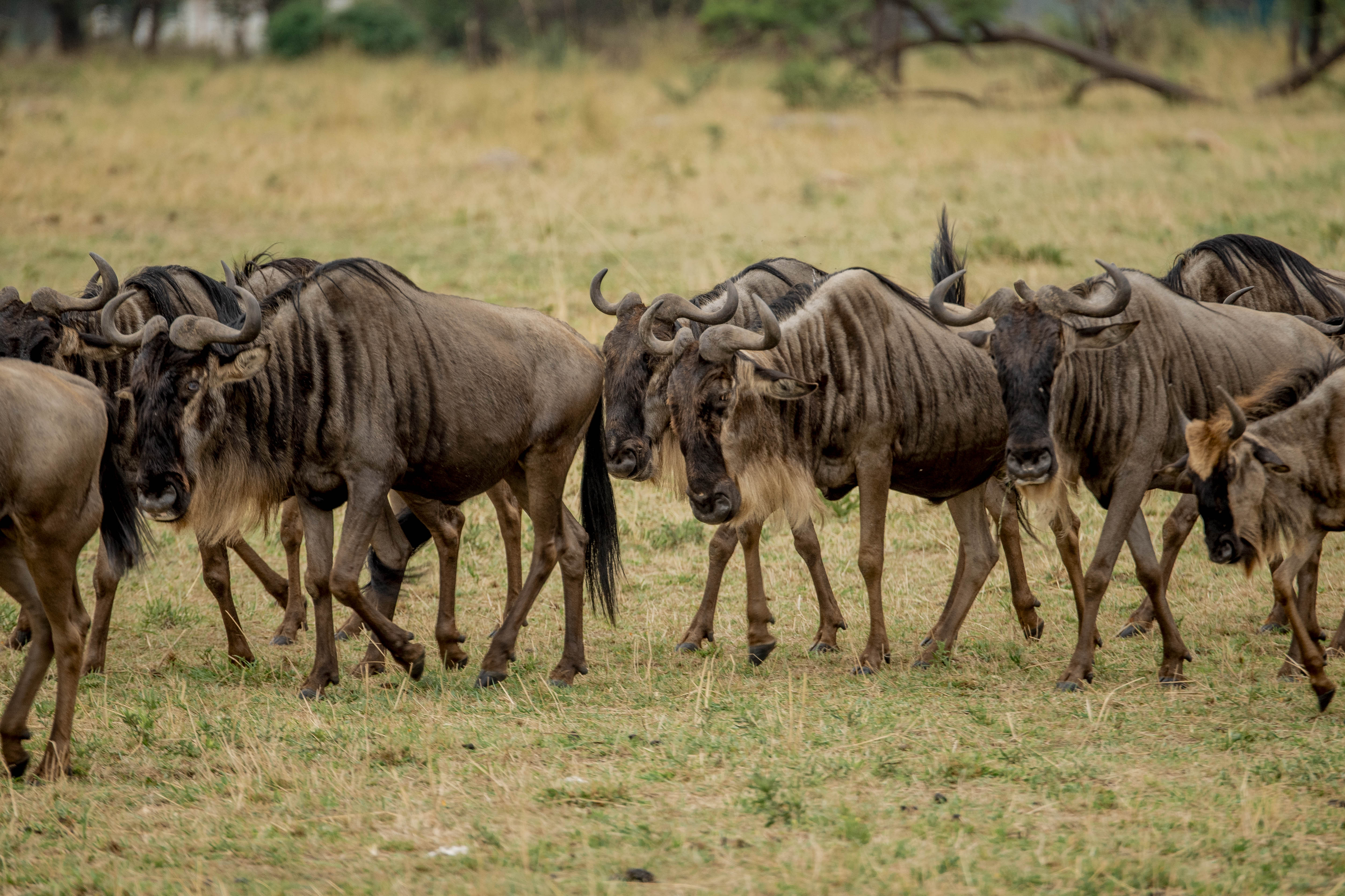
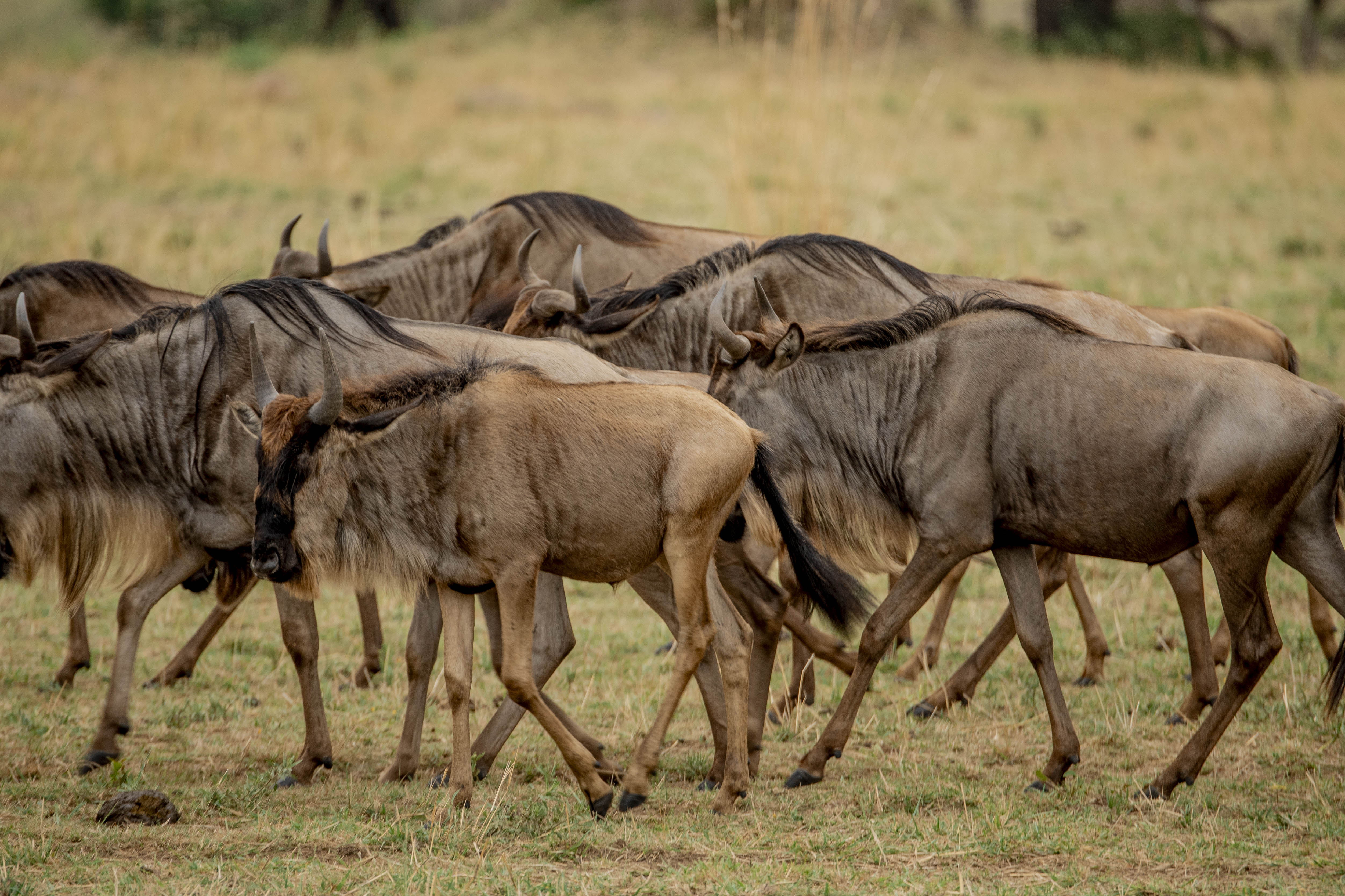
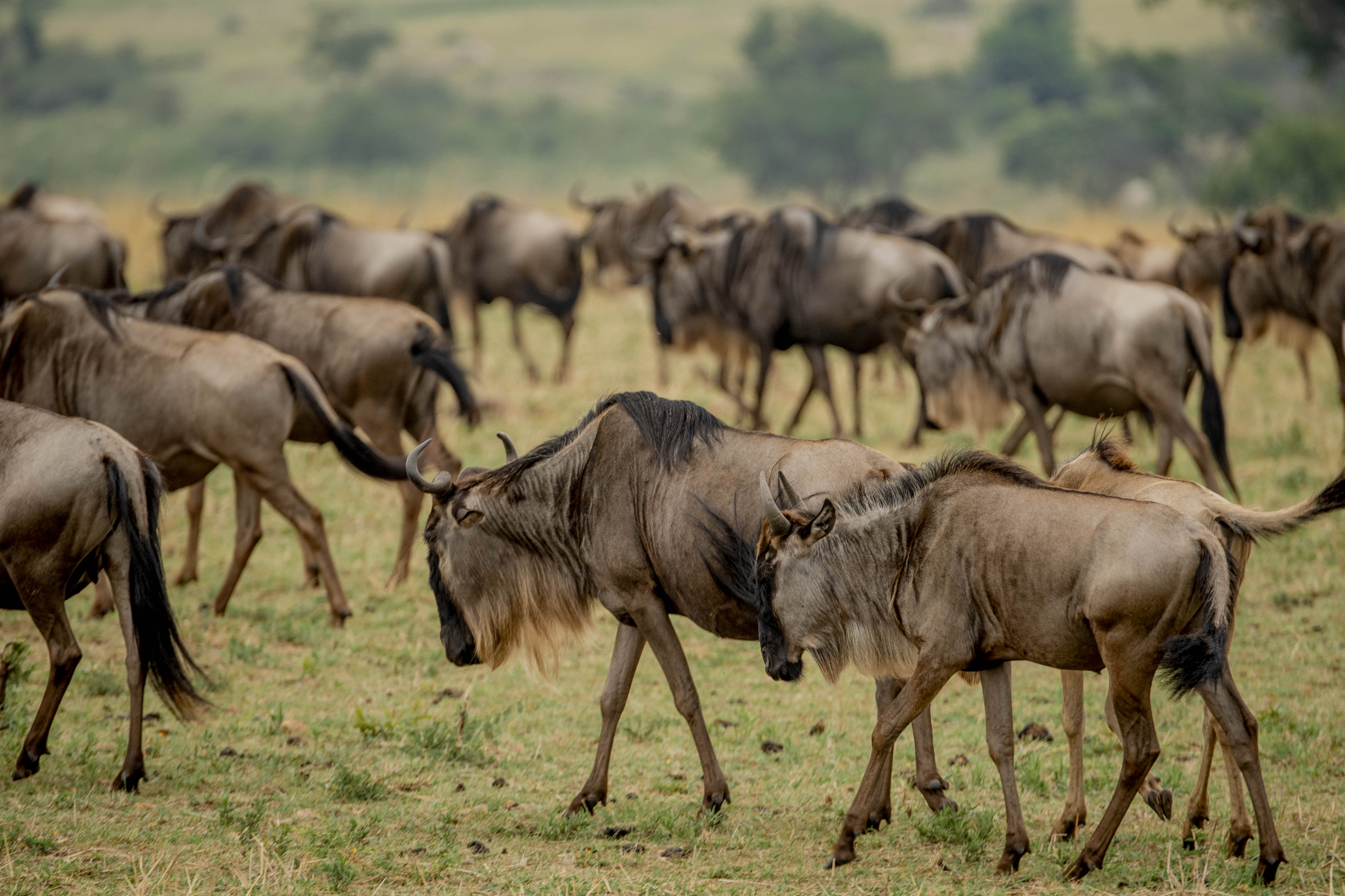
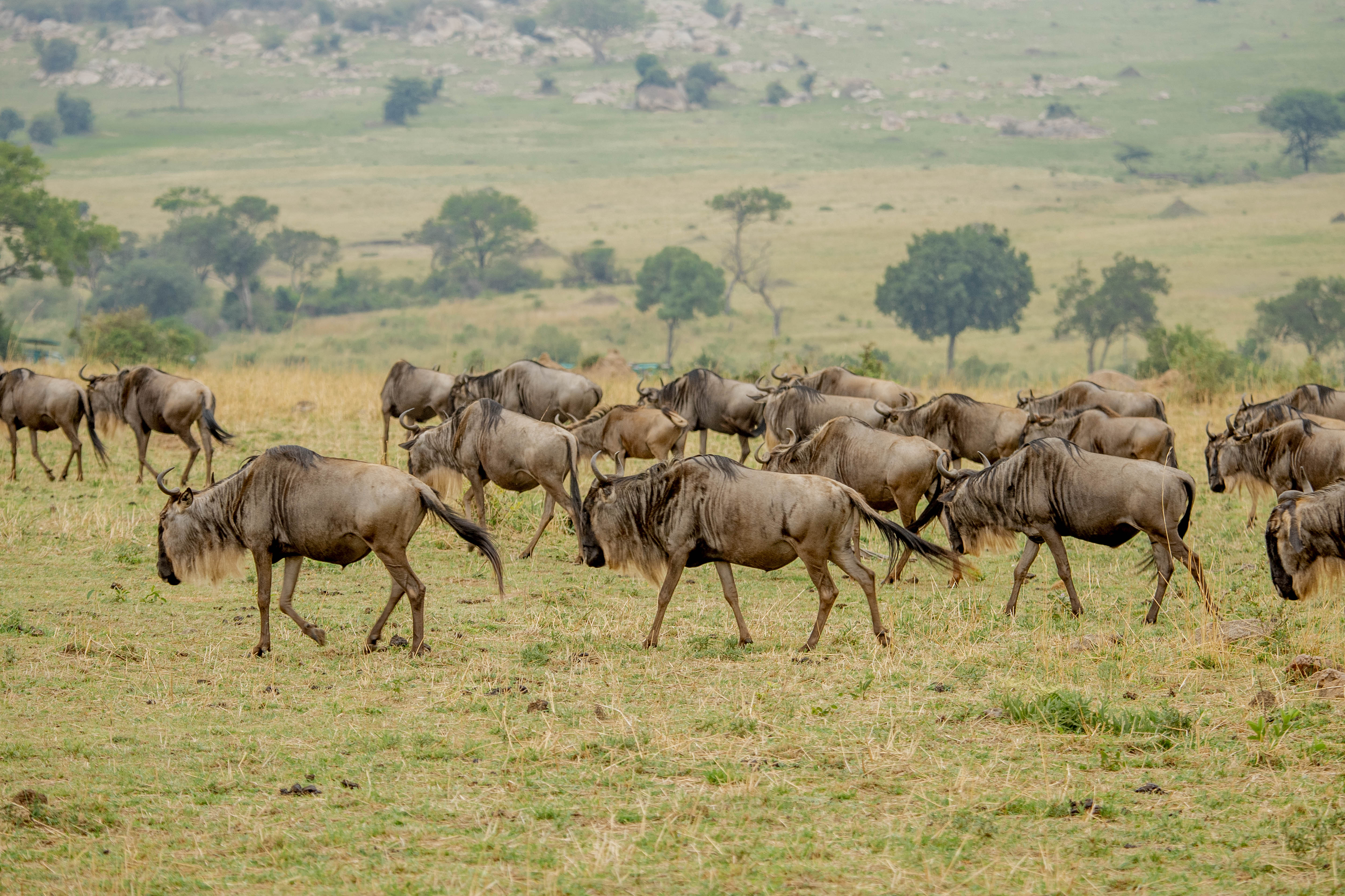
1.5 million wildebeest. 250,000 zebra. The world's greatest wildlife spectacle — and Ally has guided it for over 20 years.
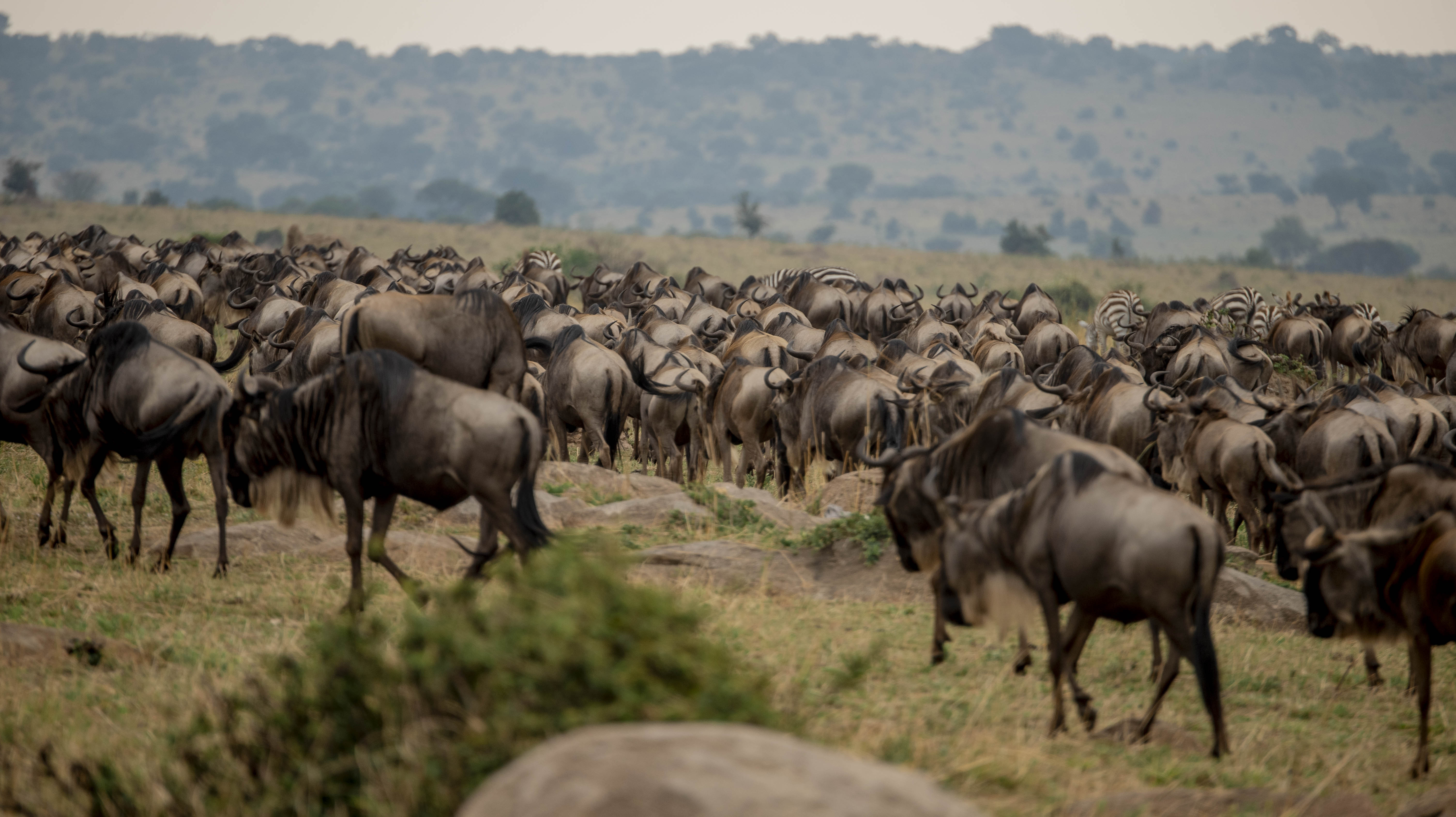
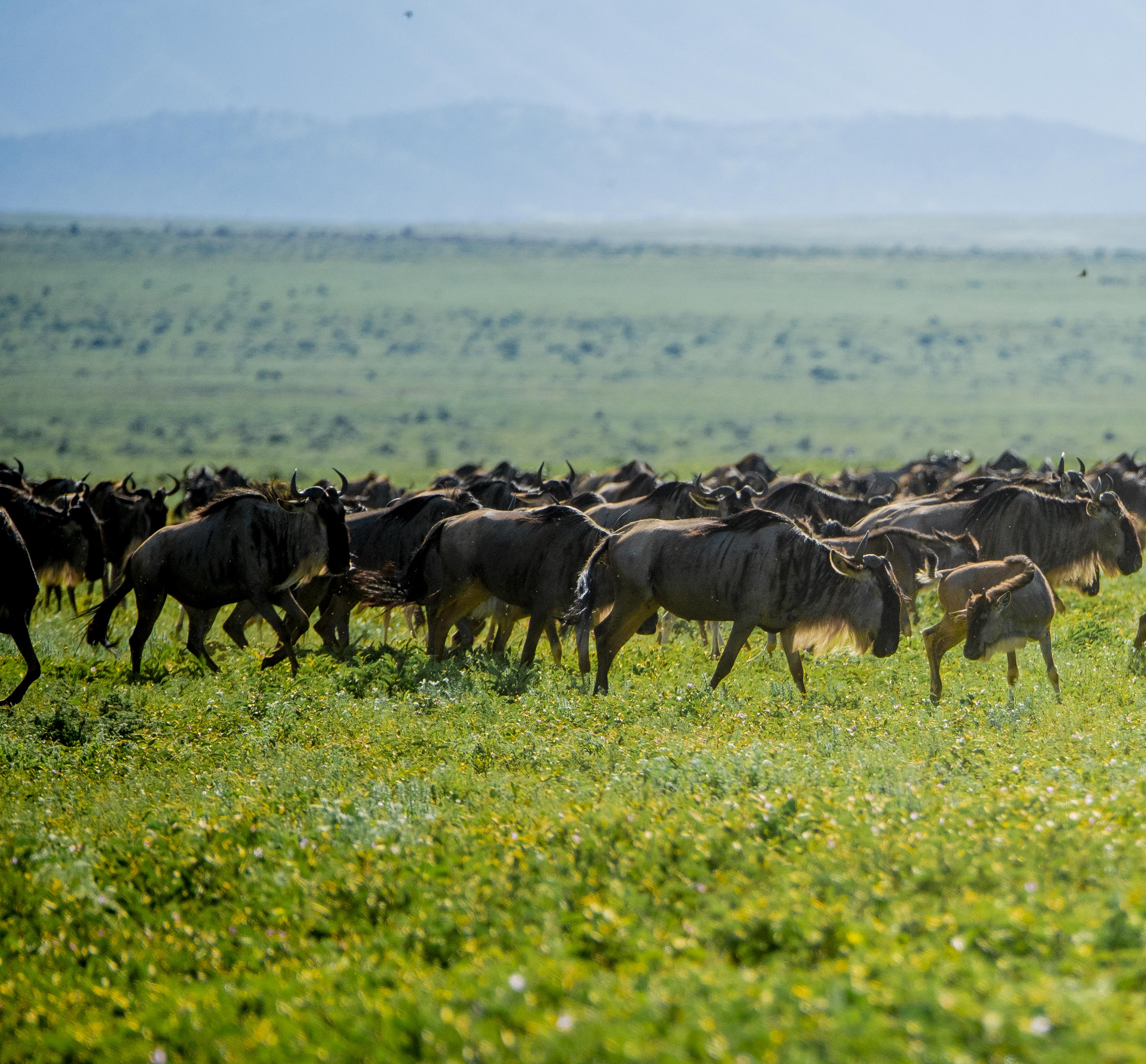
The Great Migration is not an event. It is a continuous cycle — 1.5 million wildebeest and 250,000 zebra moving in a clockwise loop across the Serengeti ecosystem, following rain, following grass, following an instinct written into them millions of years ago.
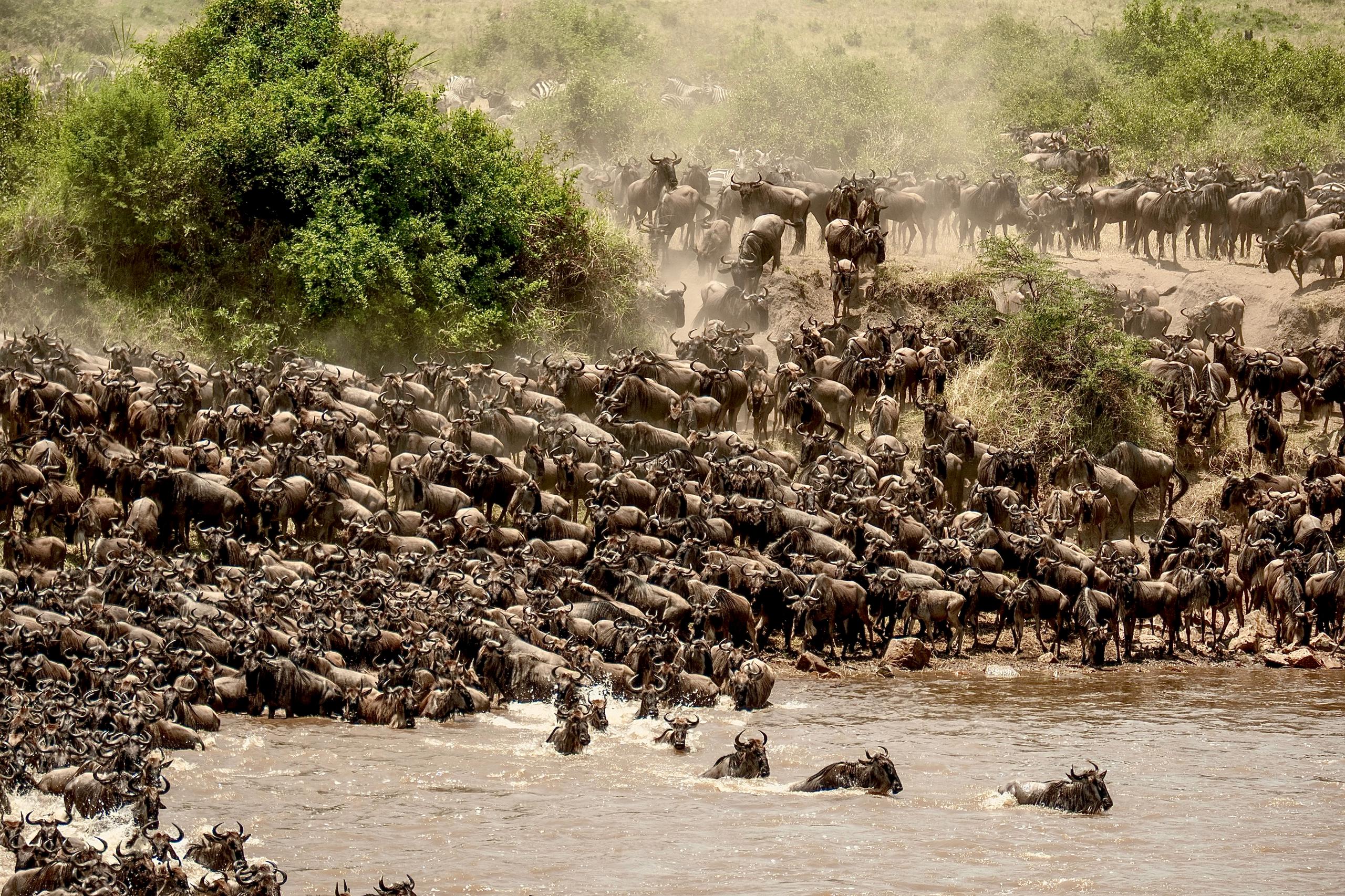
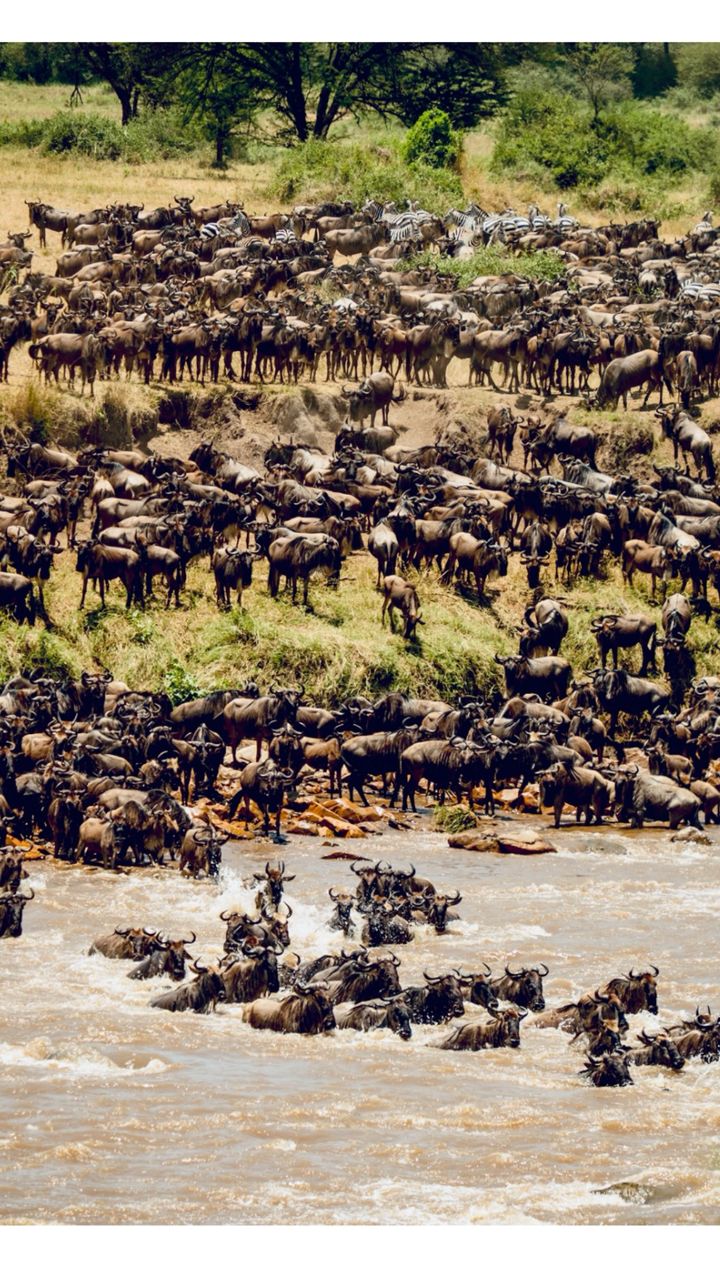
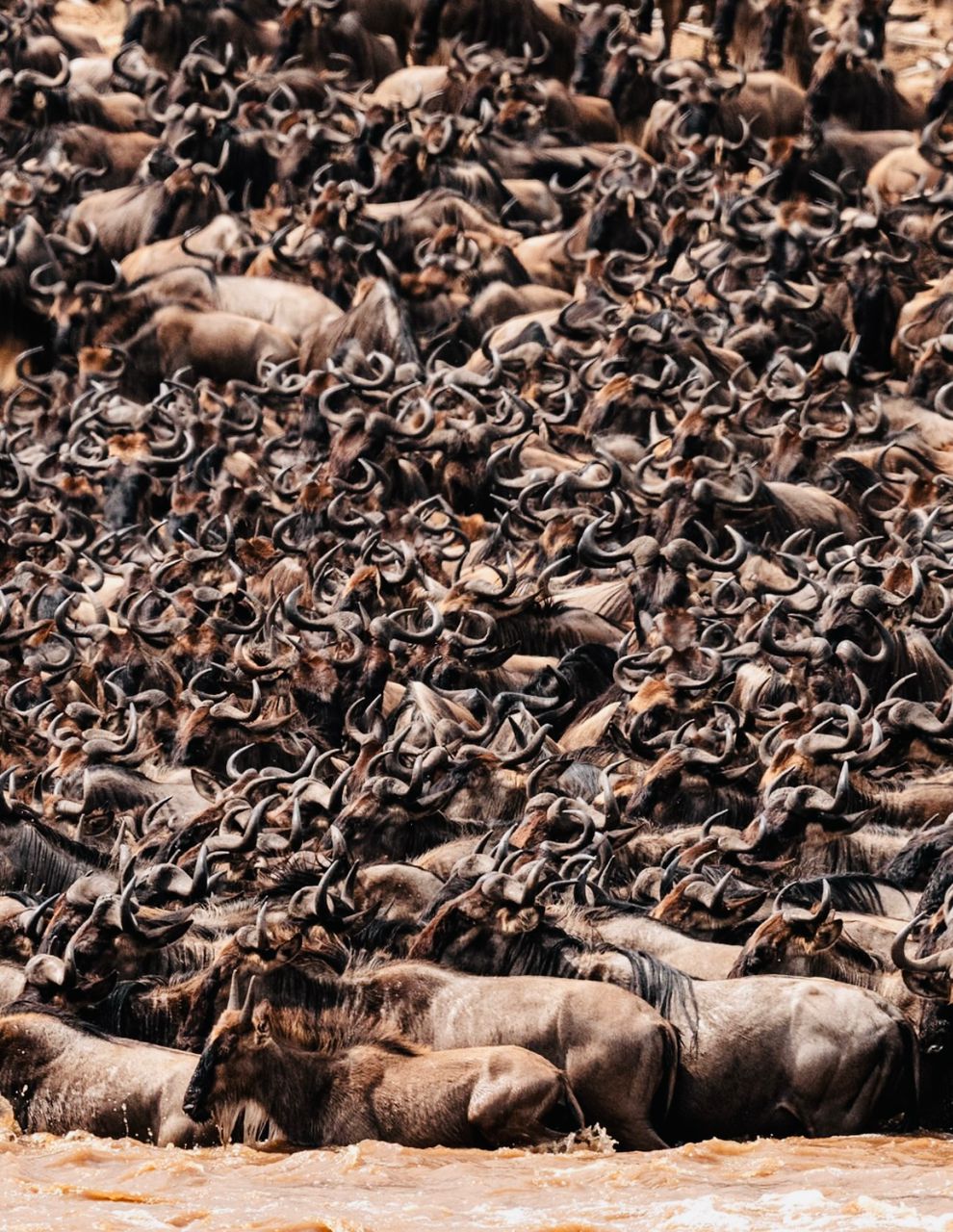
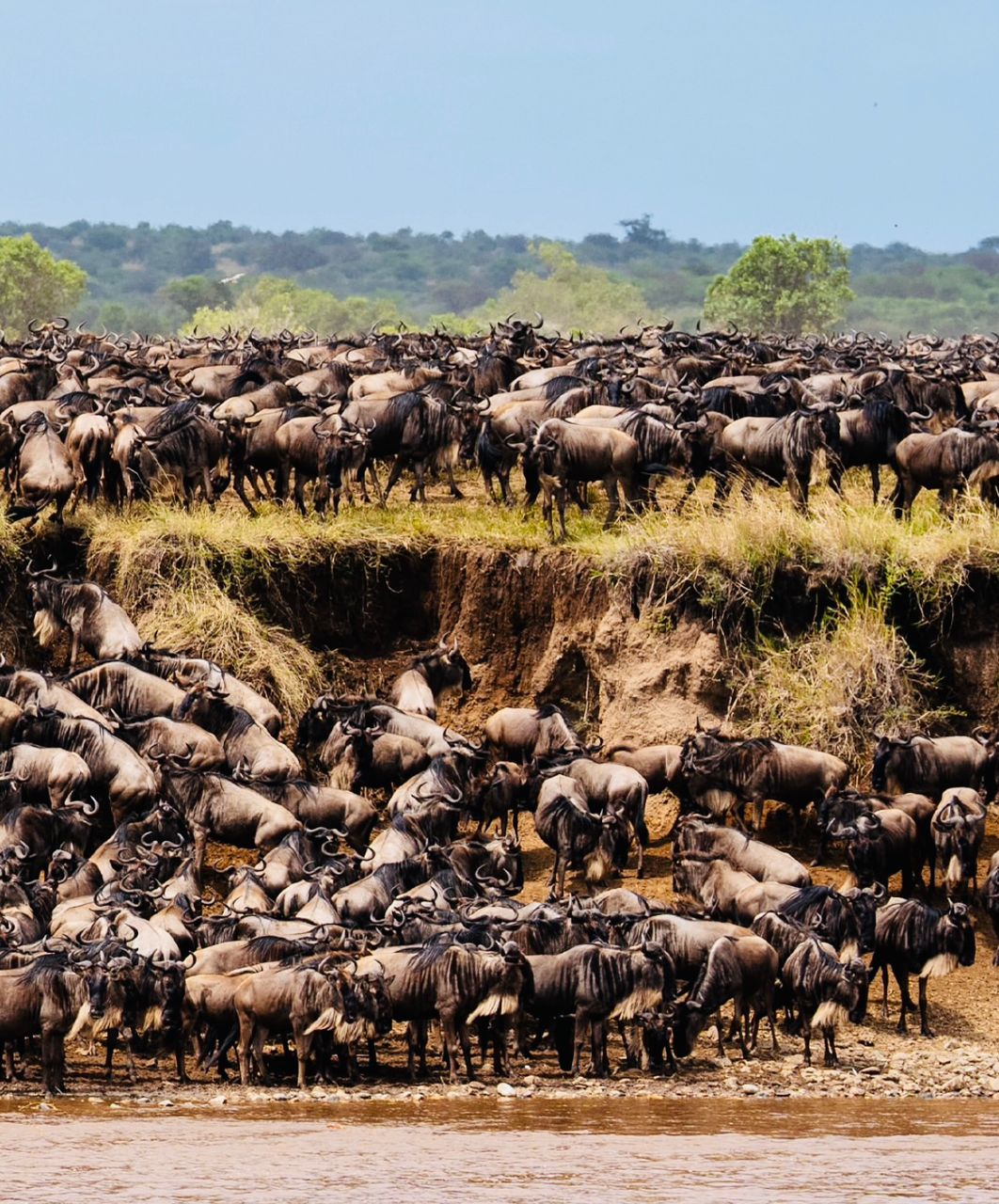
The river crossings at the Mara River are the most dramatic moments — thousands of animals plunging into crocodile-filled waters in a single surge of collective momentum. But the migration offers extraordinary wildlife encounters in every month of the year. The key is knowing where to be.
This is not a group tour. You do not share a vehicle with strangers. Your Land Cruiser, your guide, your timing.
Lion, leopard, elephant, buffalo, rhinoceros. The Serengeti-Ngorongoro ecosystem holds extraordinary concentrations of all five. Ally knows where the predators hunt and positions you to witness it — without disturbing the animals.
July–October brings the Mara River crossings — hundreds of thousands of wildebeest plunging into crocodile-filled waters. Ally tracks the herd movement daily and positions you at the right spot at the right moment.
The Serengeti after dark belongs to different animals — leopard, serval, aardvark, honey badger. Night drives are available from select camps and reveal a Tanzania most visitors never see.
Half a million calves born in a 3-week window in the Southern Serengeti. Predators converge. The circle of life at maximum intensity. Often overlooked — one of the most spectacular events in the migration calendar.
Every migration itinerary includes a full day in the Ngorongoro Crater — 25,000 animals in a 260km² natural amphitheatre. One of the few places where black rhino sightings are realistic.
Tanzania's most underrated park. In the dry season, elephant herds of 200+ gather at the Tarangire River — the largest concentration of elephants anywhere in Tanzania. Ancient baobab trees. Few other vehicles.
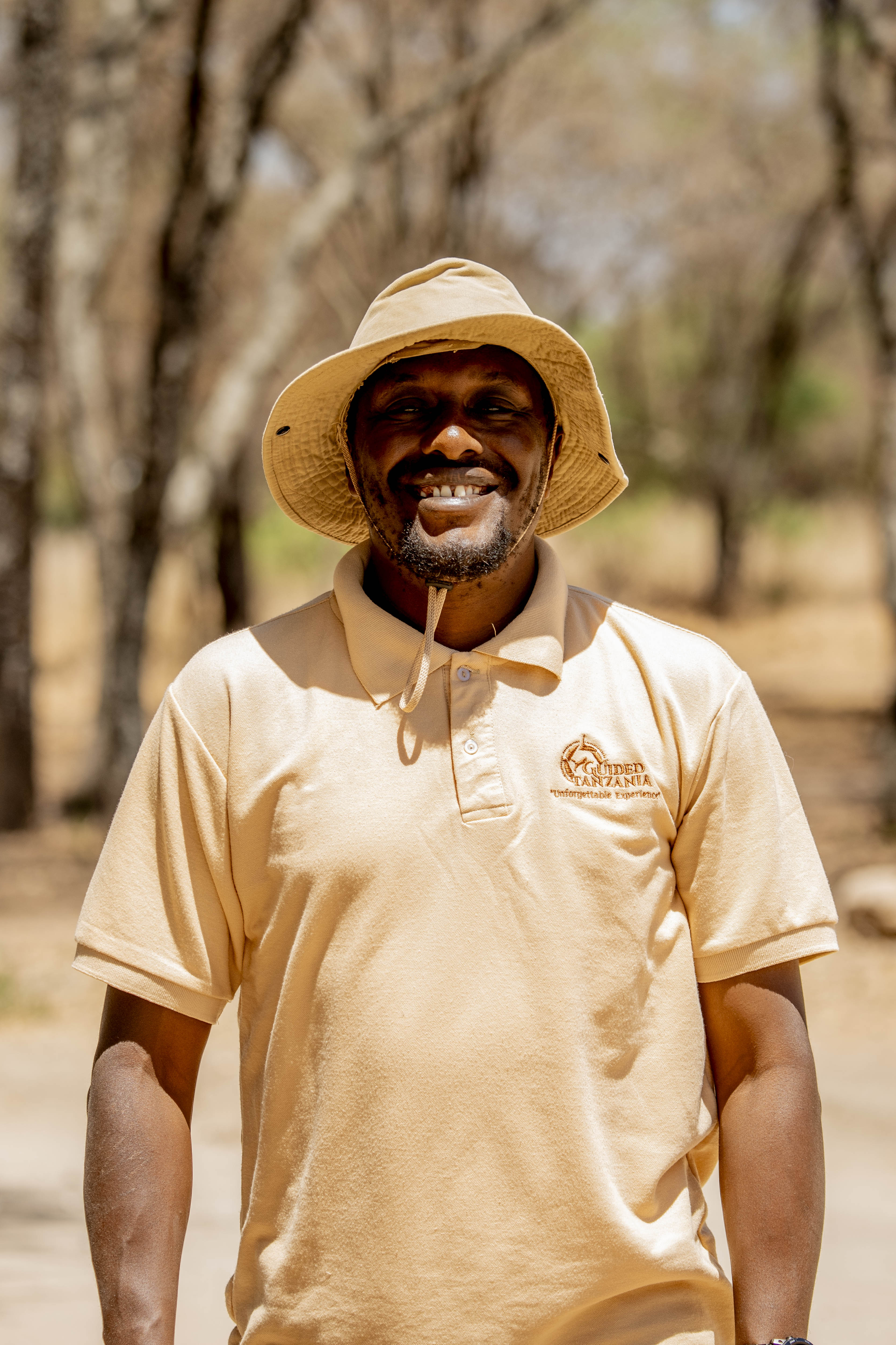
Ally has tracked the Great Migration for over 20 years. He does not follow fixed routes. He reads the landscape — the direction of the wind, the density of the grass, the number of vultures circling at the horizon — and puts you where the wildlife will be, not where it was yesterday.
Ally knows the Serengeti the way most people know their own neighbourhood. Let him show it to you.