Africa's highest peak. The roof of the continent. And the only mountain in the world where you can walk from equatorial jungle to arctic summit without a single technical climbing move.
Kilimanjaro is the world's tallest free-standing mountain. It rises from the plains of northern Tanzania to 5,895 metres — a dormant volcano whose summit is permanently glaciated despite sitting just three degrees south of the equator.
No ropes. No technical equipment. No climbing experience required. What the mountain demands instead is patience, preparation, and the right guide — someone who understands how altitude affects the human body and knows exactly when to push and when to rest.
Joseph Moshi is that guide. In over 200 summits across every established route, his success rate reflects not luck but methodology — a careful, science-informed approach to altitude acclimatisation that consistently gets his climbers to Uhuru Peak.
The "Whiskey Route." Scenic, varied terrain with excellent altitude acclimatisation. The most popular route for a reason — it gives your body the best chance to adapt before summit night.
The most scenic approach, entering from the west through pristine forest. More remote, fewer crowds, and the gentlest ascent profile — ideal for those with extra time.
The "Coca-Cola Route." The only route with hut dormitories instead of tents. Shorter and more direct, but less acclimatisation time means a lower summit success rate.
Approaches from the north, through remote wilderness. Fewer climbers, beautiful moorland landscapes, and a genuine feeling of wilderness that the busier southern routes can't match.
The most direct and challenging route up the southern face. Steep terrain, rapid altitude gain. Recommended only for experienced high-altitude climbers in peak physical condition.
The longest route, circling nearly the entire mountain before the summit push. Unmatched panoramas, extreme remoteness, and the best acclimatisation profile of any Kilimanjaro route.
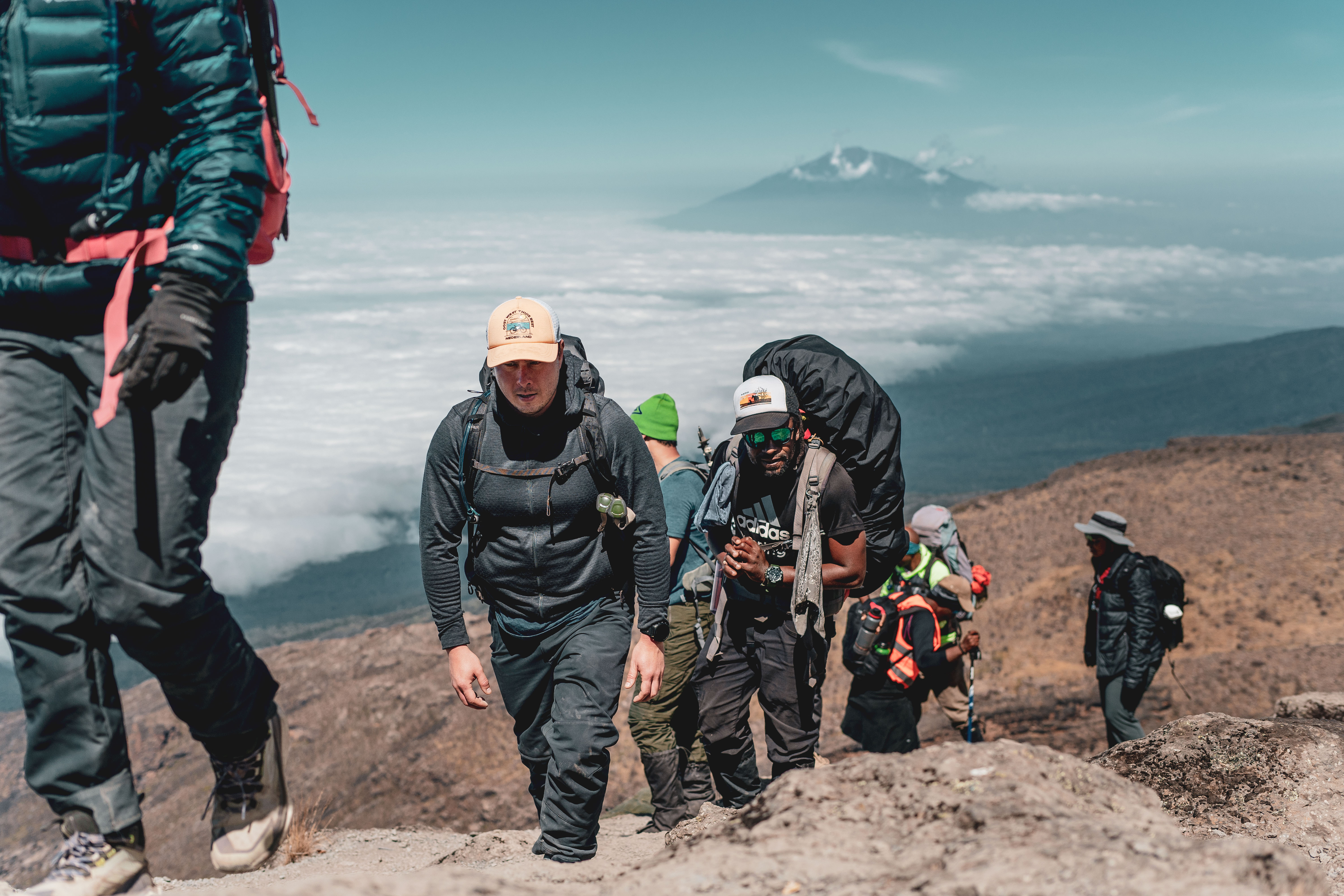
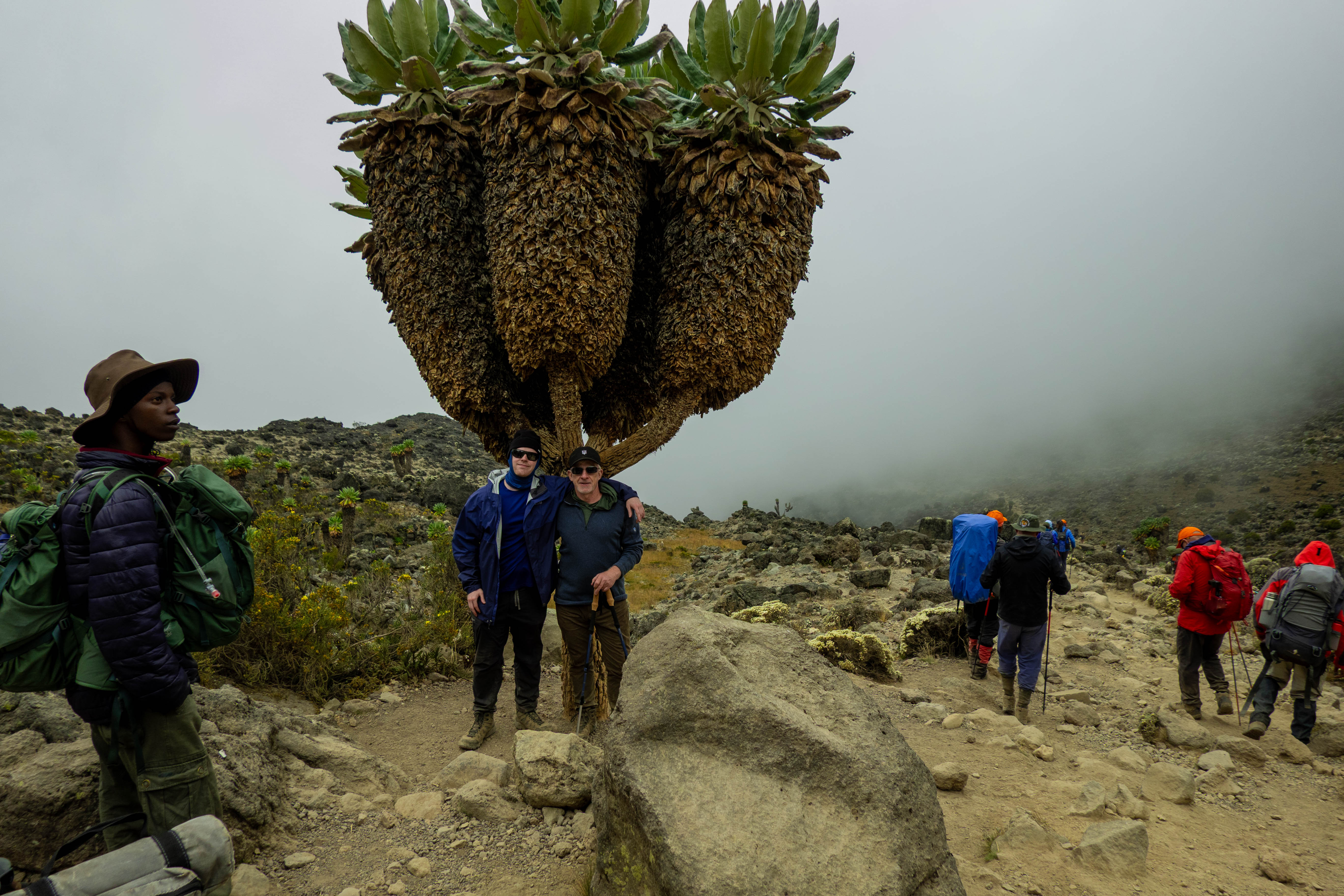
Enter the rainforest. The mountain hides its scale at first — the trees are dense, the air humid, the trail alive with birds. You gain over 1,000m before your first camp at 3,000m.
The forest thins. The heathland opens up. Your first clear view of the summit — Kibo peak towering above the plateau. The altitude begins to make itself known.
The key acclimatisation day. You climb high to Lava Tower at 4,600m, then descend to sleep lower at Barranco. "Climb high, sleep low" — Joseph's mantra for altitude adaptation.
The Barranco Wall — a 257m near-vertical scramble at dawn. Hands and feet required, though no technical equipment. Once above it, the summit seems close enough to touch. It isn't, yet.
Base camp for the summit push. Barren, windswept, and utterly exposed at 4,673m. Rest in the afternoon. The alarm is set for midnight.
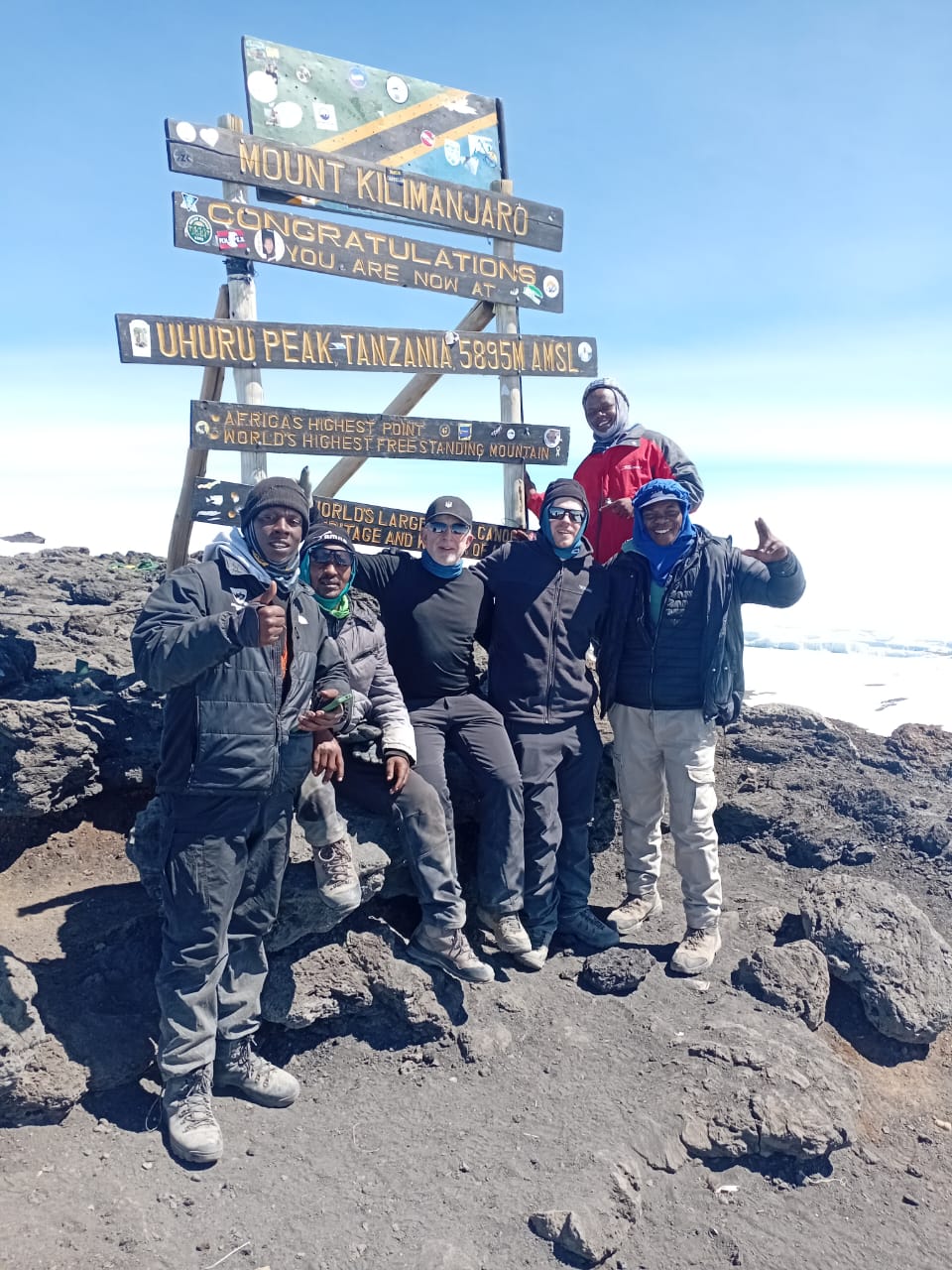
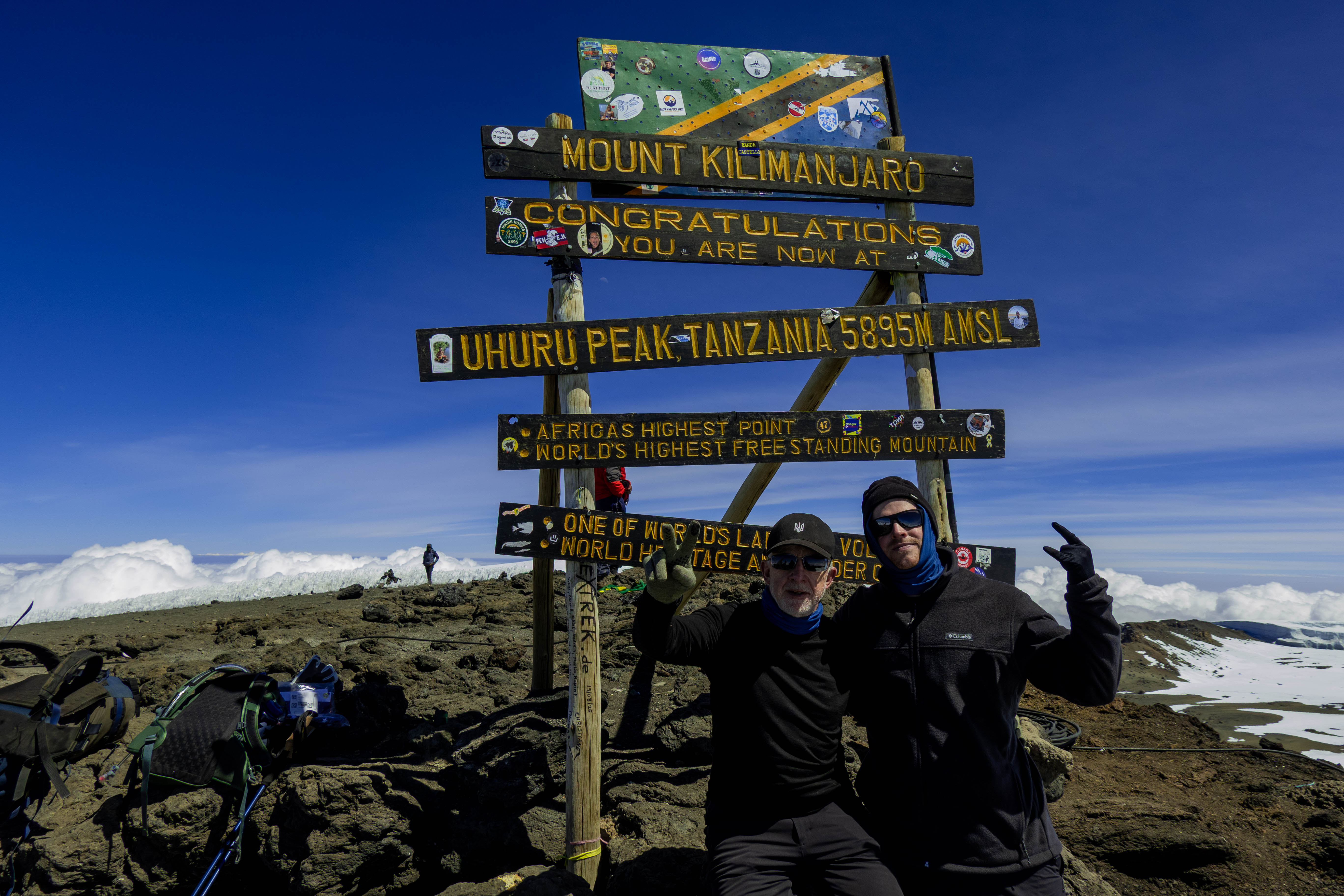
The ascent begins at midnight. Hours of darkness, headlamps, the sound of your own breathing, one step at a time. Stella Point at dawn. Uhuru Peak — 5,895m — as the sun rises over Africa. Joseph has watched this happen 200 times and cries every time.
Descent through the rainforest. Legs heavy, spirit light. Certificate collection at the gate. The mountain is behind you. Tanzania is ahead.
You do not need to be an elite athlete. You need to be able to walk 6–8 hours daily for 6–7 consecutive days. Regular hiking in the months before is ideal. Joseph will assess your pace on Day 1 and adjust accordingly.
Altitude sickness is not about fitness — it affects Olympic athletes and first-time hikers alike. Joseph's itineraries are built around "climb high, sleep low" — the most effective acclimatisation strategy known. He carries emergency oxygen and has clear protocols for any climber showing AMS symptoms.
Layered warm clothing for the summit (-20°C is possible), good hiking boots (broken in before the climb), trekking poles, a sleeping bag rated to -15°C. We provide a full kit list on booking. Most gear can be hired in Moshi if needed.
Joseph as your personal summit guide. Full porter team (regulated loads, fair wages). All meals on the mountain (3x daily + snacks). Camping equipment, park fees, rescue fees, and your certificate at the gate. Flights and Moshi accommodation arranged separately.


200+ times Joseph has stood there. He'd like to go again — with you.